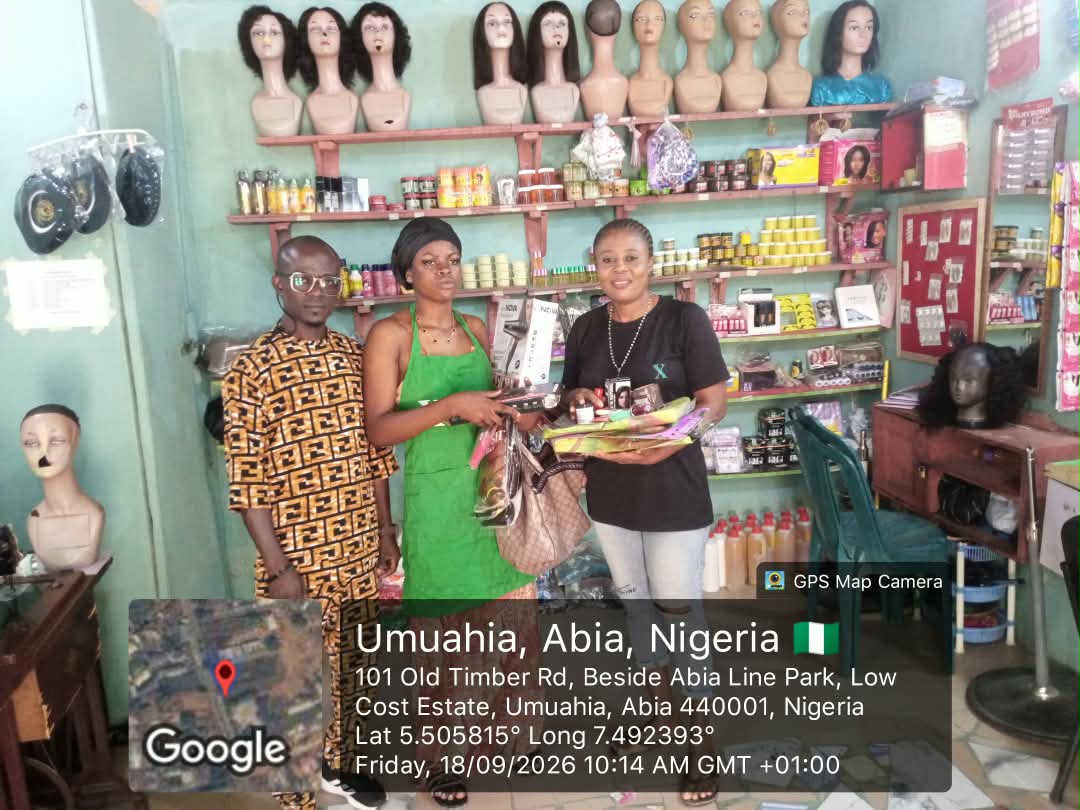

Across Kaduna, Abia, Gombe and Oyo States, the Society for Family Health (SFH) is supporting young people to navigate the transition to adulthood through a range of integrated interventions implemented through the RIHHWUD, STAR C and A360 projects. These interventions recognise that empowering young people requires more than access to healthcare alone. SFH works with young people and communities to build resilience, provide mental health and psychosocial support, deliver health education and sensitisation in communities and health facilities, and provide counselling and referrals on reproductive health. Young people also have access to life-building skills that strengthen their agency and decision-making, as well as safe spaces where young and vulnerable people can access support, information and services in an environment that promotes dignity and trust.
This broader approach is important because the challenges young people face are interconnected. Access to accurate health information, psychosocial support, reproductive health services, life-building skills and safe spaces can help young people develop the confidence and agency to make informed decisions about their health, relationships, livelihoods and futures. It is within this wider continuum of support that economic empowerment and skills development become particularly important: equipping young people with practical skills can complement the health and psychosocial support they receive, helping them build greater resilience and pathways towards self-reliance.
In communities where economic opportunities are limited, the lack of a reliable source of income can deepen vulnerability and make it harder for young individuals and households to withstand financial and health-related issues. In Kaduna State, this reality continues to underscore the importance of interventions that move beyond short-term assistance to build practical pathways to self-reliance. For young people in particular, having a marketable skill can provide an alternative route to income generation, while for women, economic empowerment can extend its benefits to families and communities.
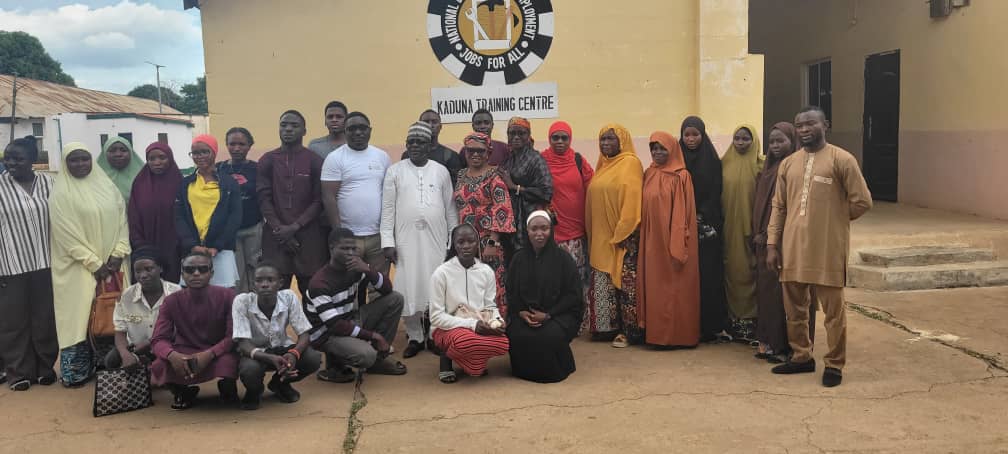
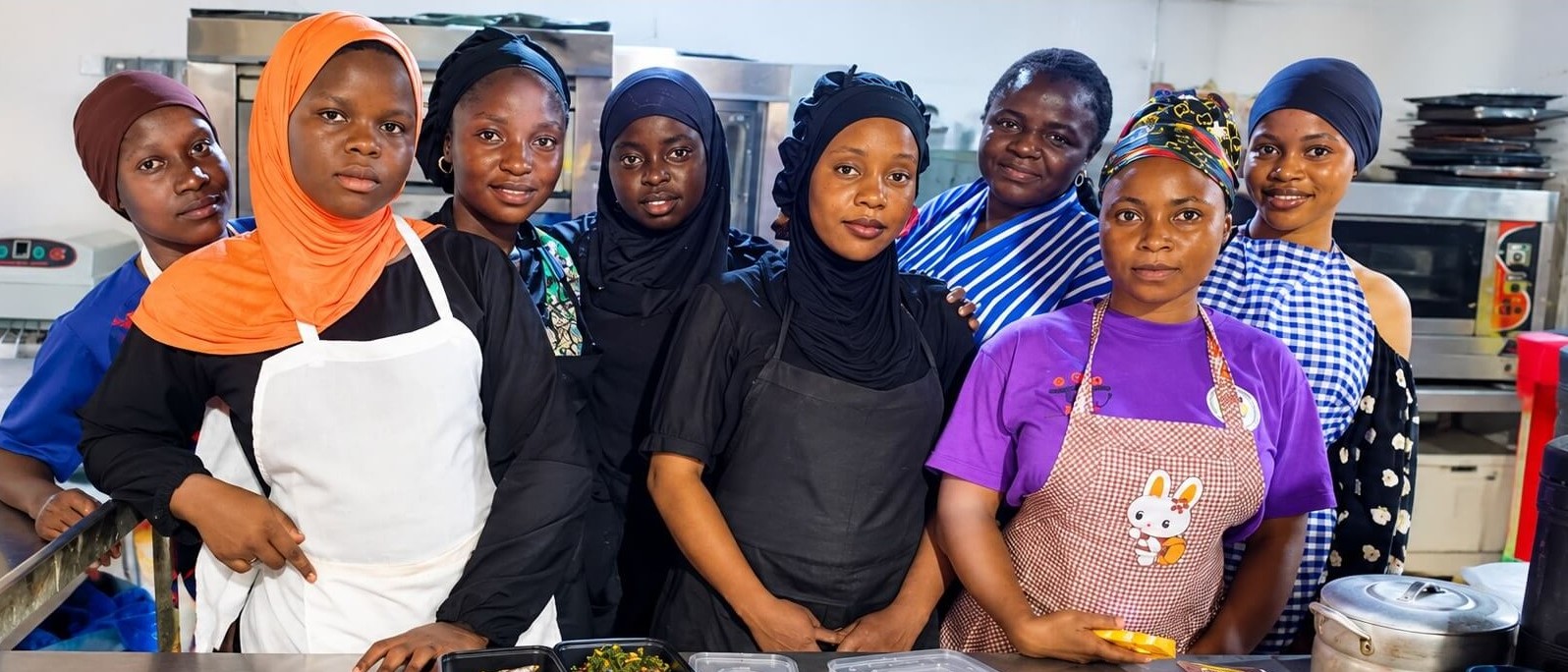
Society for Family Health (SFH), in collaboration with the National Directorate of Employment (NDE), is implementing a three-month skills acquisition programme for 65 women, adolescents and young people across Kaduna State. The beneficiaries were selected from Seven LGAs in Kaduna State through a rigorous selection process. The programme is supported by ViiV Healthcare Positive Action and focuses on equipping participants with practical, income-generating skills that can be applied beyond the training environment. Over the three months, participants will receive hands-on training in areas including catering, fashion design, knitting, digital marketing, shoemaking and small-scale business management. Rather than focusing solely on technical knowledge, the intervention seeks to give participants skills they can translate into livelihoods and, ultimately, businesses that can create opportunities for others.
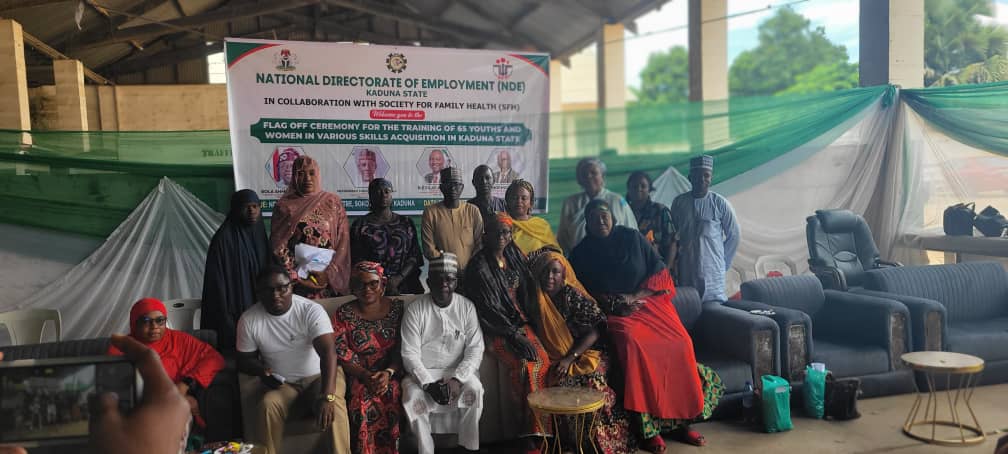
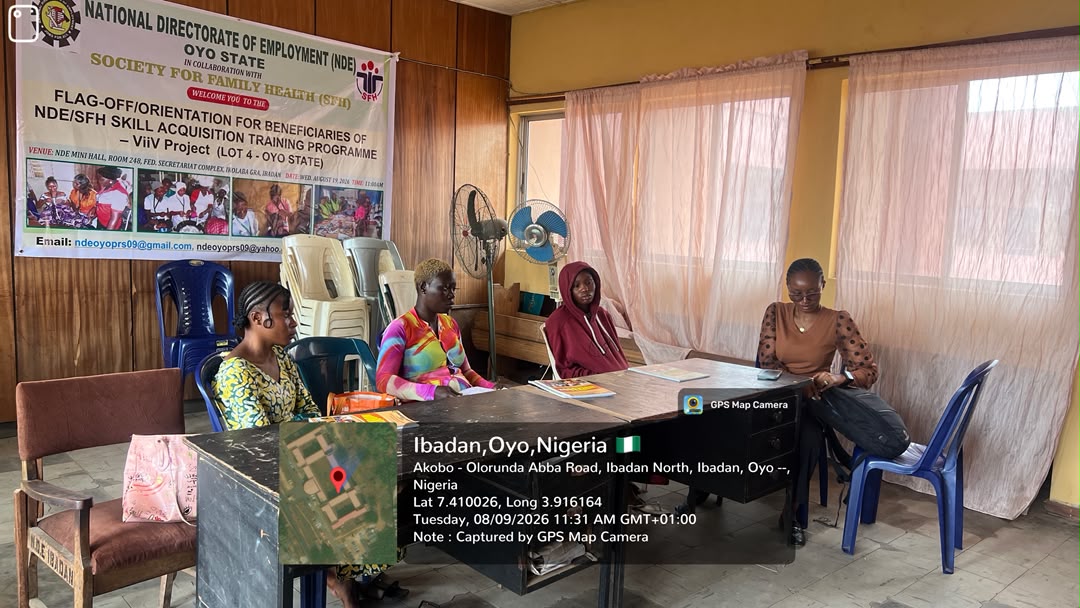
During the programme flag-off, Dr Omokhudu Idogho, SFH GCEO, represented by Dr Aisha Dadi, noted that the programme was designed not simply to teach a trade, but to provide participants with “a tool for agency”, the confidence and capability to earn a living, support their families and make informed decisions about their lives, including their health. The three-month model therefore positioned skills acquisition as part of a broader investment in resilience, dignity and self-reliance. Representing the NDE Director-General at the programme, Kaduna State Coordinator Francis Ambianto noted that government could not tackle unemployment alone and called for greater collaboration among government institutions, development organisations and other stakeholders. The collaboration also brought together stakeholders including the Kaduna State Ministry of Health, Kaduna State AIDS Control Agency (KADSACA), Kaduna State Substance Abuse and Mental Health Services (KADSAMHSA) and National AIDS, Viral Hepatitis and STIs Control Programme (NASCP). The programme is also ongoing in Abia, Gombe and Oyo States.
The partnership between SFH and NDE demonstrates how development interventions can address vulnerability from multiple angles: equipping young people with the tools to earn, the confidence to participate and the agency to make choices that support their wellbeing. By connecting health education, psychosocial and reproductive health support, safe spaces and life-building skills with opportunities for economic empowerment, SFH and its partners are contributing to a more holistic pathway for young people as they transition into adulthood. The work continues with a clear objective: to ensure that more young people and women are not only equipped with skills but are supported to turn those skills into sustainable opportunities.