
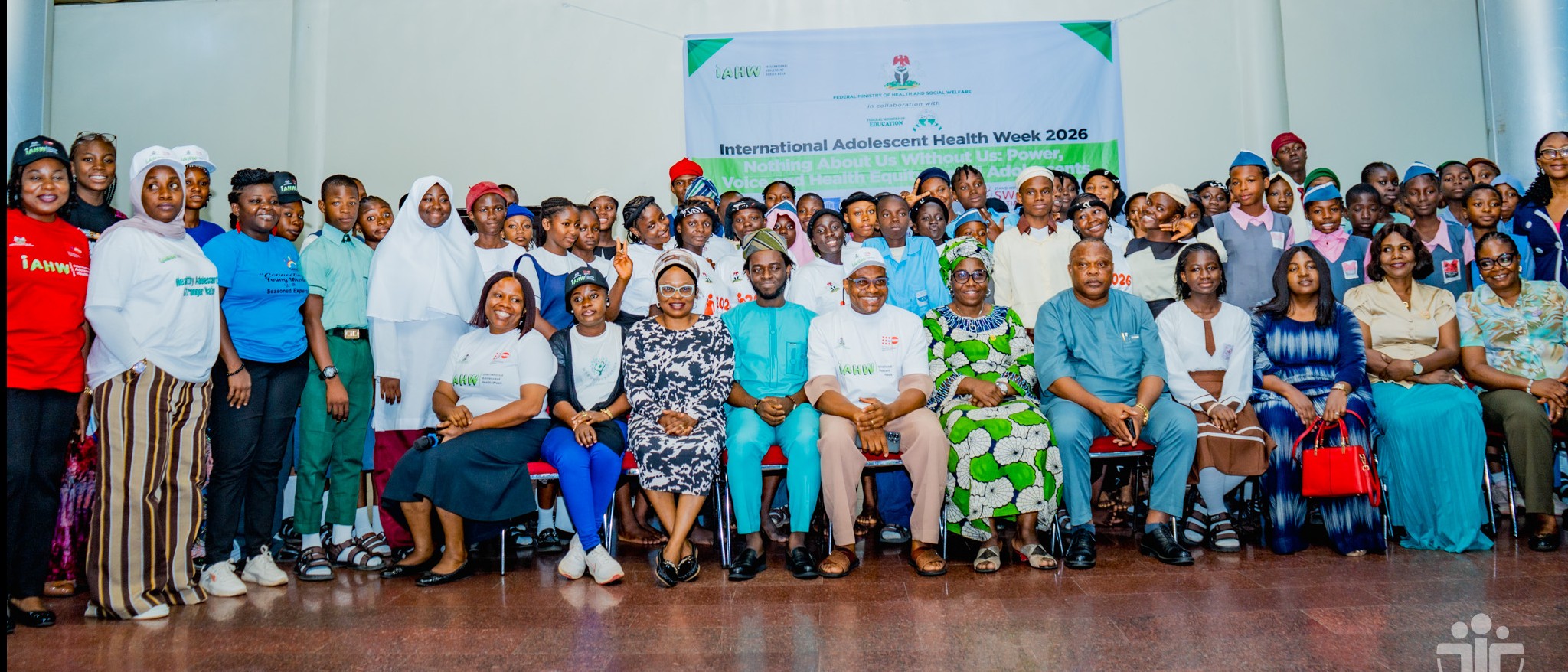
Adolescents need more than access to health information and services; they need safe spaces to speak, supportive environments to thrive and a meaningful role in decisions that affect their health and future. This was the message at the heart of Society for Family Health’s (SFH) commemoration of International Adolescent Health Week 2026, observed under the theme, “Nothing About Us Without Us: Power, Voice and Health Equity for All Adolescents.”
Through its A360 Accelerate, Strengthening ALHIV Resilience within Communities and Retention in Care (STAR-C), and DISC 2.0 projects, SFH collaborated with government institutions, health partners, schools, community leaders, parents and youth champions to promote adolescent health and wellbeing across Abuja, Kaduna, Kano, Jigawa and Nasarawa States.
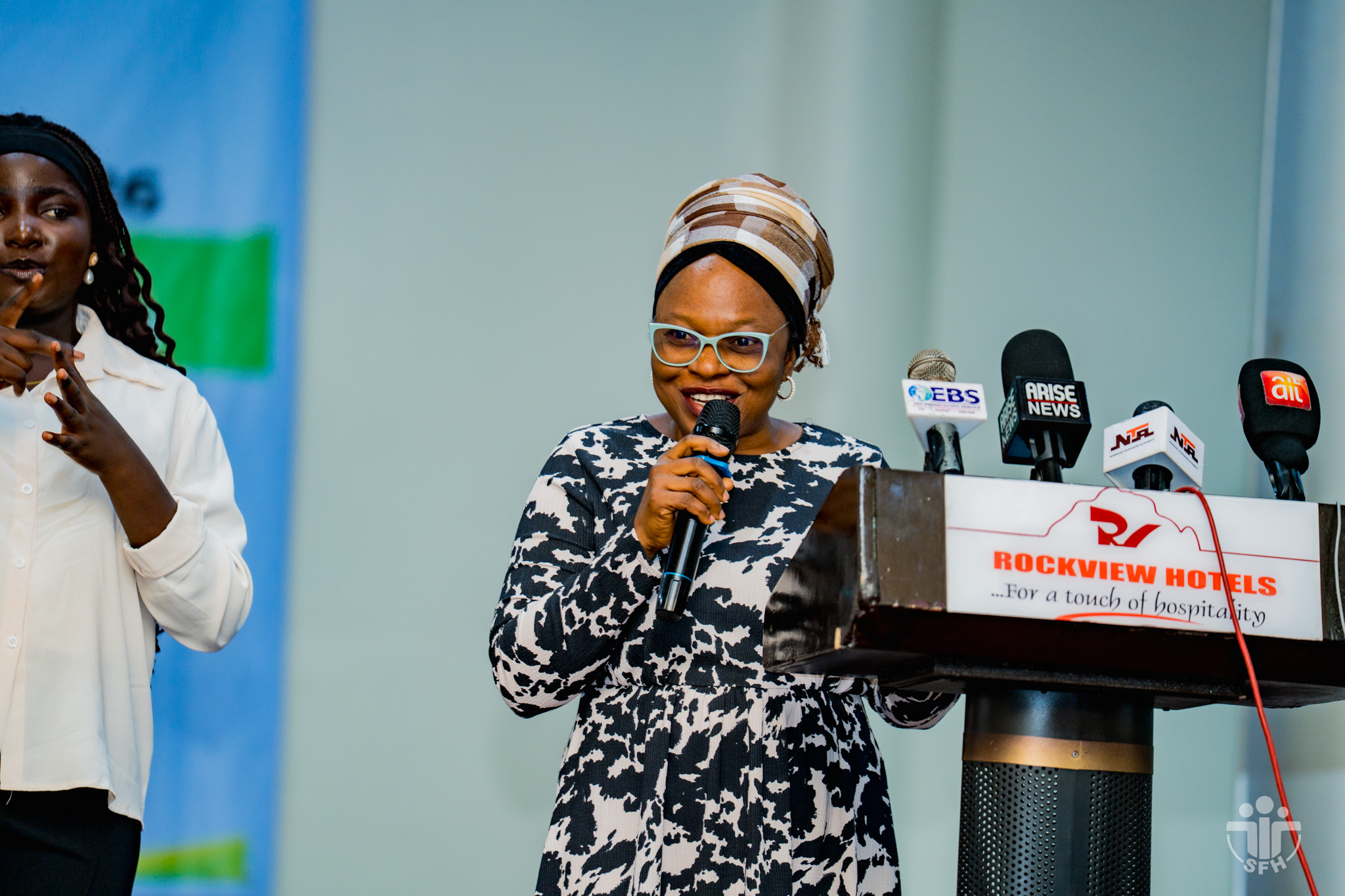
The week-long activities began with a ministerial press briefing in Abuja, where Dr Aisha Dadi, representing SFH, joined government representatives and other stakeholders to highlight the importance of investing in adolescent health, strengthening youth-friendly health services and ensuring that young people are active participants in decisions affecting their lives. The engagement provided an opportunity to draw attention to the health and social challenges facing adolescents and reinforce the collective responsibility of government, development partners, families and communities in addressing them.
Beyond the media advocacy, SFH and its partners took the conversation into communities, schools and health facilities through community sensitisation, road walks, health talks, school engagements, community dialogues and interactive sessions. These engagements addressed critical issues including personal and menstrual hygiene, mental health, drug abuse, sexual and gender-based violence, early marriage, school dropout and the importance of accessing accurate health information and adolescent-friendly services.
In Nasarawa State, activities reached 160 young people at PHC Tudun Kauri, including 79 adolescents, with free health services provided as part of the engagement. School-based activities reached another 146 students, while a community dialogue in Doma Local Government Area brought together 31 adolescents, parents, community and religious leaders to discuss challenges affecting young people's health, safety and development. The discussions created an opportunity for different generations to identify concerns and consider practical ways to build more supportive environments for adolescents.
In Kano State, a press briefing led by the State Ministry of Health, in collaboration with SFH A360 and Girl Effect, highlighted the importance of adolescent participation, parental support, protection from gender-based violence and access to youth-friendly health services. The engagement also showcased progress in expanding adolescent health service delivery points, which increased from 340 to 743, representing an important step towards improving access to essential health services for young people.
In Jigawa State, school engagements provided students with opportunities to discuss health awareness, menstrual and personal hygiene, drug abuse and violence prevention. Through interactive sessions, adolescents were encouraged to ask questions, share experiences and learn practical ways to make informed decisions about their health and wellbeing.
A particularly important part of the commemoration was the focus on mental and emotional wellbeing. On 16 October 2026, SFH, through the STAR-C and A360 projects, convened 22 adolescents at the Kaduna State Ministry of Health Conference Hall for an interactive dialogue on mental health, emotional wellbeing and the need for youth-friendly health services. The session provided a safe and supportive environment for adolescents to discuss experiences of stress, sadness, loneliness and anxiety, while exploring healthy coping mechanisms such as physical activity, relaxation, creative expression and confiding in trusted people. Facilitators also emphasised the importance of seeking support from trusted adults, counsellors and health professionals when emotional distress persists.
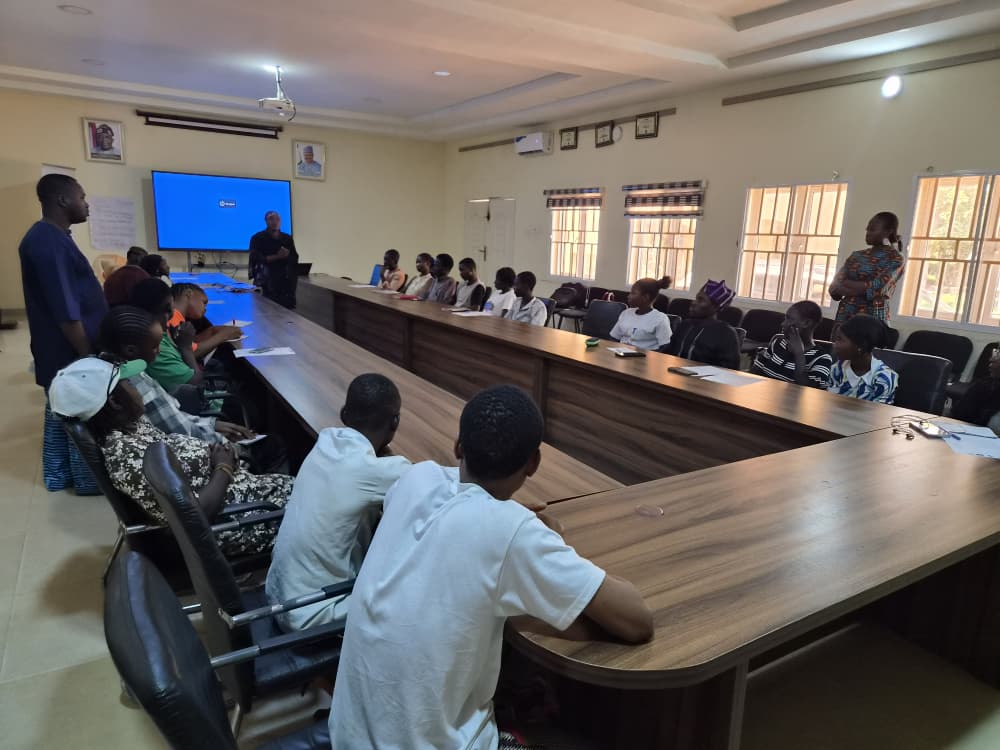
More importantly, the adolescents were encouraged to take ownership of their health and participate actively in decisions affecting their lives. Through group work, they identified challenges affecting their wellbeing, articulated the support they needed and proposed practical solutions, which they presented during a plenary session. The discussions reinforced the importance of listening to adolescents without judgement, protecting their privacy, challenging stigma and ensuring that health services respond with empathy, confidentiality and age-appropriate information.
The engagement also highlighted the importance of sustaining support beyond commemorative activities. Through the STAR-C project, SFH facilitates regular peer support group sessions, providing adolescents with safe and confidential spaces to share experiences, build resilience and strengthen their emotional wellbeing.
Building on the momentum for lasting impact
Across the participating states, International Adolescent Health Week 2026 created opportunities for young people to access health information and services, express their concerns and engage with the institutions and communities responsible for their wellbeing. It also strengthened collaboration among government agencies, development partners, health workers, schools, families and community leaders.
The engagements reinforced several priorities for advancing adolescent health: expanding access to youth-friendly services, providing accurate and age-appropriate health information, promoting supportive parenting, addressing stigma and gender-based violence, and ensuring that adolescents are meaningfully involved in decisions that affect them.
For SFH, the commemoration represents more than a week of activities. It reinforces the organisation's commitment to working with adolescents, not merely for them, to strengthen their agency, improve access to essential health services and create supportive environments where they can make informed choices and reach their full potential.
Ultimately, when adolescents are heard, supported and empowered to take charge of their health, the benefits extend beyond individual wellbeing to healthier families, stronger communities and a more equitable future.