 SFH Nigeria Website
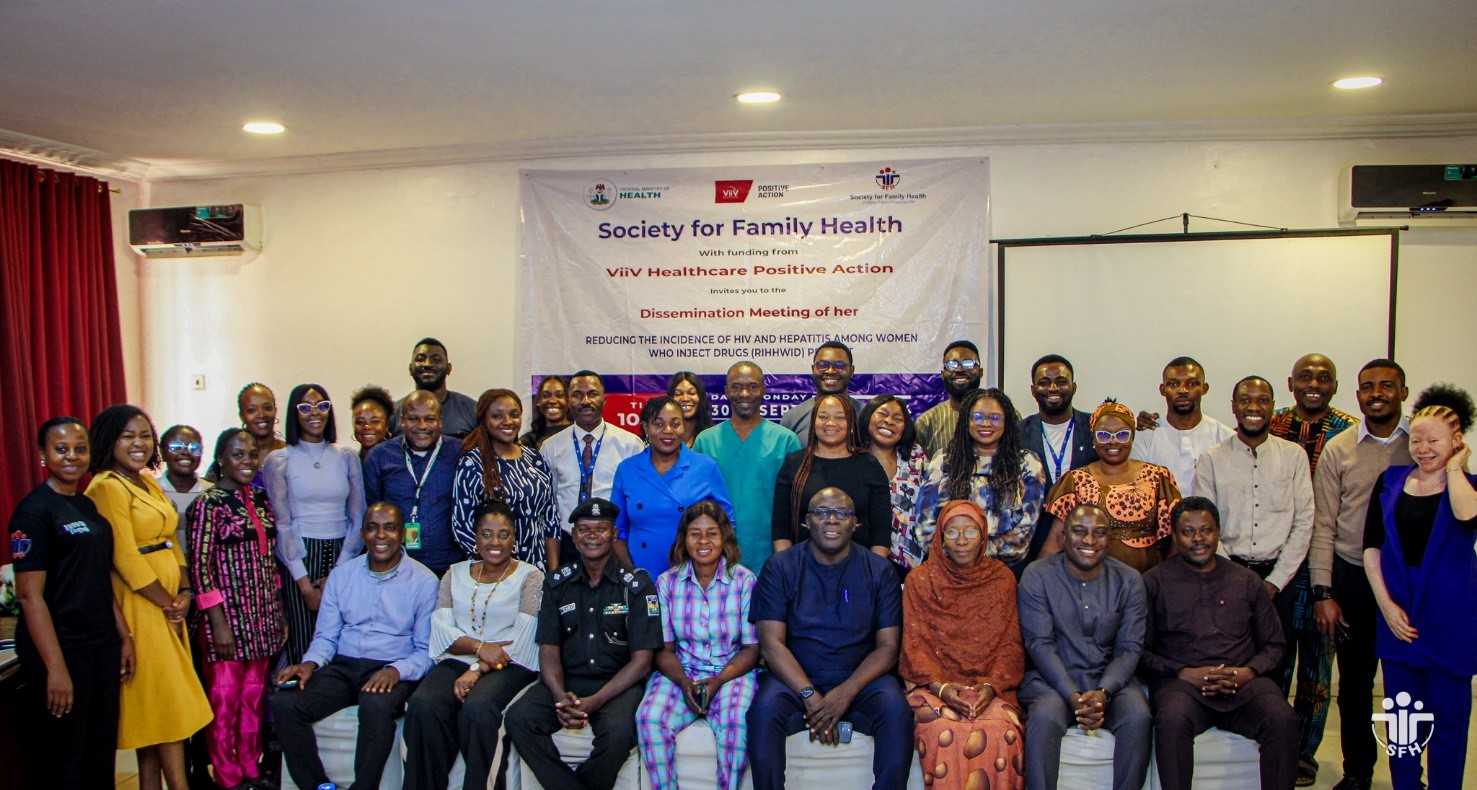
Reducing the Incidence of HIV and Hepatitis among Women who Use Drugs (RIHHWUD)
-
by

Ongoing
The Reducing the Incidence of HIV and Hepatitis among Women who Use Drugs (RIHHWUD) project is primarily tailored towards Women who Use Drugs (WUD) using learnings from the first phase of the project.
Key approach and objectives
The project is leveraging existing harm reduction interventions in the states and collaborating with implementing partners and stakeholders to provide gender-responsive harm reduction services to WUD in Abia, Gombe, Kaduna and Oyo states.
The project aims to reduce HIV and viral hepatitis infections among WUD by expanding access to needle and syringe programs, reducing the spread of blood-borne infections, improving healthcare access, and creating a supportive legal and service environment. To achieve this, the project is focusing on increasing clean injecting equipment use, conducting HIV and Hepatitis testing, engaging in sensitisation and advocacy to get buy-in for harm reduction, and tailoring harm reduction programs to meet the specific needs of WUD.
The goal of the project is to reduce morbidity and mortality due to HIV/AIDS and Hepatitis among WUD.
- Scale up access to and utilisation of needle and syringe services among WUD.
- Reduce the spread of bloodborne infections, including HIV and viral hepatitis, among WUD.
- Create an enabling legal and service delivery environment that promotes harm reduction and stigma reduction among WUD.
- To increase access to comprehensive, gender-sensitive harm reduction packages for WUD.
Notable achievements/success metrics
A major achievement of the project has been shedding light on the often-overlooked challenges faced by WUD. By raising awareness and generating dialogue, the project has brought the issue of WUD to the forefront, prompting stakeholders to recognise their specific needs and take action to address them. The project has also empowered women to seek healthcare and access essential services.