 SFH Nigeria Website
Lafiyan Yara Project
-
by

Ongoing
Project Overview: The Lafiyan Yara project is a project that leverages existing community structure to improve HIV case finding in the community using the Aidsfonds Kids to Care model. The Aidsfonds Kids to Care model is a four-stage community-based model that empowers communities to strengthen the links between communities and health facilities to find, test, treat, and retain children and pregnant and breastfeeding mothers living with HIV. In the Hausa language, Lafiyan Yara means ‘Health of Children.’ The Lafiyan Yara project is implemented in Taraba State.
Key Approaches & Objectives
The overall project goals are to increase access and uptake of HIV services among children (0-14 years) and to reduce HIV transmission from mother to child in Taraba state with the aim to achieve these objectives:
• Improved case finding of HIV-positive children through improved access of pregnant women to antenatal care services
• Improved health-seeking behaviours for HIV services among pregnant women and children
• Improved quality of care delivered by health providers at formal health facilities
• Research agenda to inform HIV programmes and policies for children under 15 years of age.
Through concerted efforts, the project works to reduce the burden of HIV in the state using the tailored approaches below:
• Advocacy, Community Testing, and Linkage to Care:
o The Lafiyan Yara project is built on the Kids to Care model, using the four stages of find, test, treat and stay, where early detection of HIV can reduce infant, child, and maternal mortality. To facilitate early detection of HIV, community-level mobilisers for health are engaged to conduct effective case identification and linkage to care. The Kids to Care model is built on the following foundational principles:
• Community-owned and community-led
• Builds on existing community structures
• Child and family-centered
• Builds on government frameworks and policies
• Key stakeholders are meaningfully involved from the beginning
• Interventions are informed by data
• Committed to sustainability and long-term support
o We use existing community structures in identifying HIV-positive women and breastfeeding mothers through the traditional birth attendants (TBAs) to achieve UNAIDS goal of zero vertical transmission of HIV from mother to child.
o Community mobilisation efforts by Traditional Birth Attendants (TBAs), mentor mothers, and other mobilisers in deploying massive, coordinated community awareness and sensitisation to improve uptake of free HIV testing and prevention services
o Targeted strategies including house-to-house testing, testing at shelter homes, TBA site optimisation and primary health care centres to deepen our reach.
• Retention and Psychosocial Support:
o Across several communities in the state, established several active Village Savings & Loan Associations (VSLA), bolstering financial and peer support to caregivers, directly reducing Interruption in Treatment (IIT) rates, and ensuring retention to care.
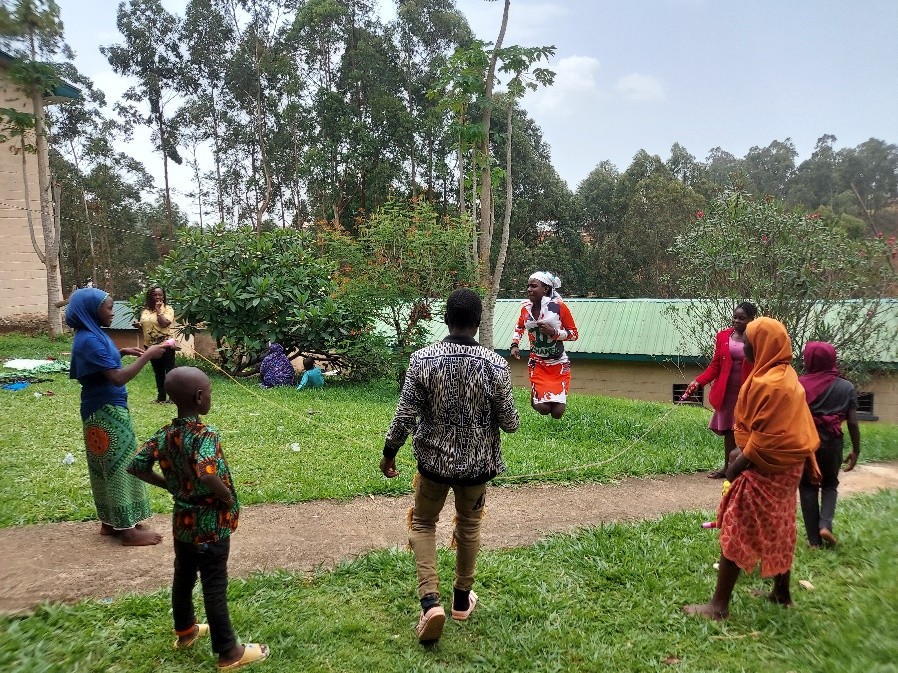
o Monthly Kidz’ Club sessions reach over 500 children, reinforcing adherence to medication, supporting psychosocial resilience, and driving early HIV disclosure among children using age-appropriate language and methodologies.
o Male Involvement: convening male involvement meetings to drive family health and boost HIV service uptake
Notable Achievements
Through targeted, community-led strategies, the Project has
- Empowered pregnant women with the knowledge and tools to prevent HIV and access life-saving care.
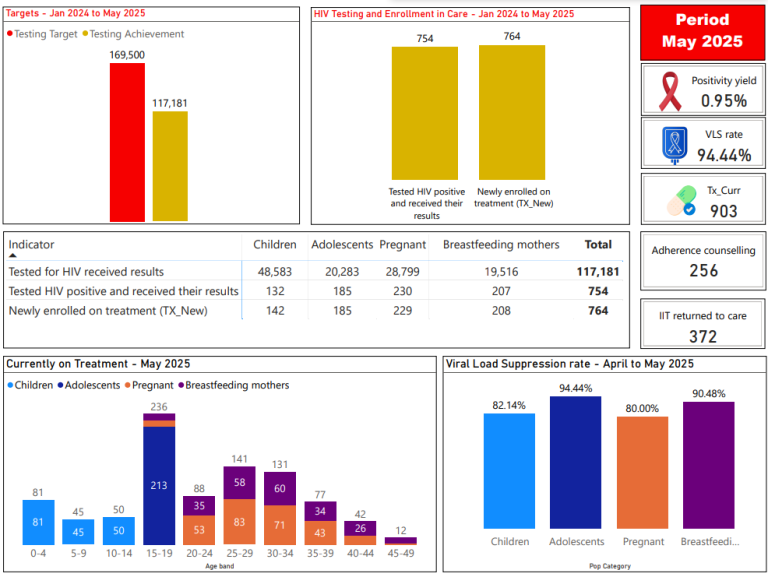
- Ensured that children and adolescents are tested for HIV and those confirmed positive were linked to treatment and supported to stay healthy.
- Our early testing approach helped keep infants HIV-free, giving them the best start in life.
- Through outreach, education, and our Kids to Care model, families have gained the knowledge to prevent HIV and protect future generations.