News Updates

News and Photo Stories Week 21

SFH IN THE NEWS

Lagos launches SWIFT project to boost women’s access to family planning

Vanguard, 15 May 2025

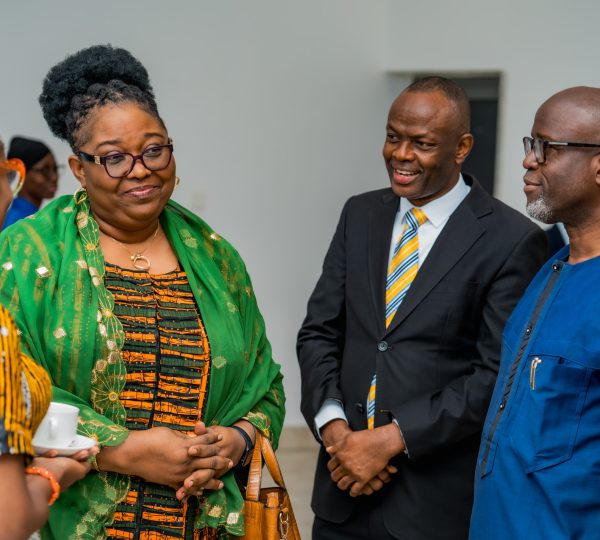
The Lagos State Government, in collaboration with the Society for Family Health (SFH) and the Bill & Melinda Gates Foundation, has launched the SWIFT Project, an initiative designed to expand women’s access to modern family planning services through pharmacies and Patent and Proprietary Medicine Vendors (PPMVs). The project, officially titled “Supporting Women’s Increased Access to Family Planning Through Pharmacies and PPMVs,” was unveiled during a stakeholder inception meeting held at the Radisson Hotel, Ikeja.
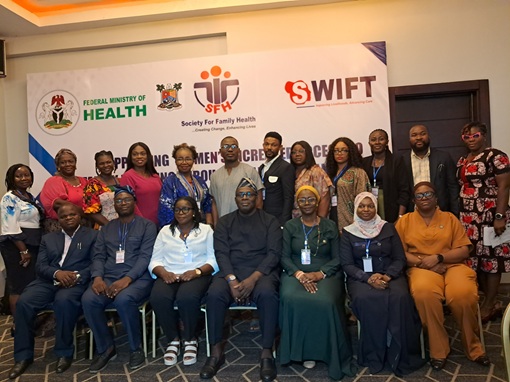
Click here to read more and also watch here

SFH ACTIVITIES

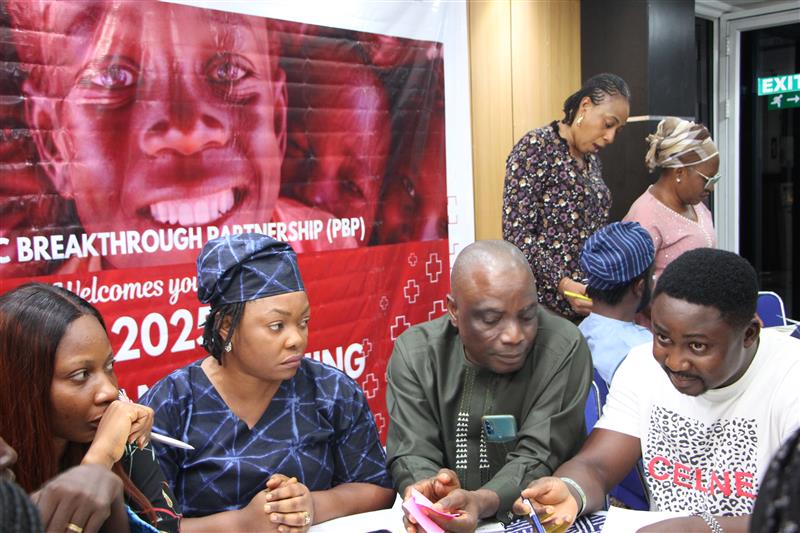
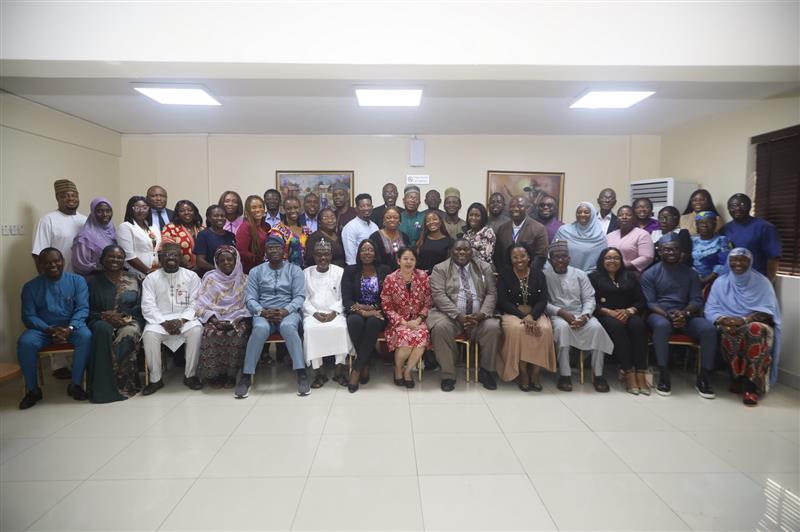
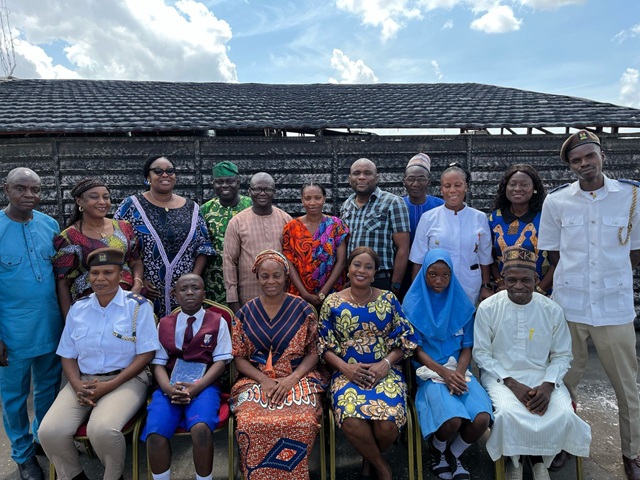
PBP Holds 2025 Linking and Learning Workshop in Rivers State

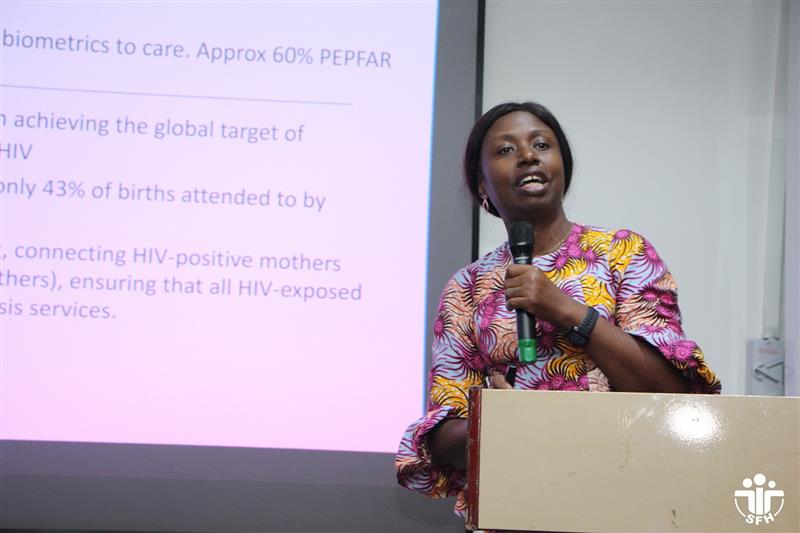
The Paediatric Breakthrough Partnership (PBP) held its 2025 Linking and Learning Workshop on paediatric HIV from 20th to 22nd May 2025 in Port Harcourt. The event convened key stakeholders across Nigeria to reflect, exchange, and act on the critical gaps in Early Infant Diagnosis (EID), retention in care, and age-appropriate disclosure for children and adolescents living with HIV. Dr Mekele Igwe, Permanent Secretary, Rivers State Ministry of Health, delivered the keynote address. She reaffirmed the ministry’s commitment to ensuring that all children in the state have access to quality healthcare. She acknowledged the impact of HIV on families and communities, particularly children, and called on stakeholders to find practical and collaborative solutions to the challenges of EID, retention, and disclosure. “Sharing best practices and lessons learned is crucial in improving uptake and age-appropriate disclosure.

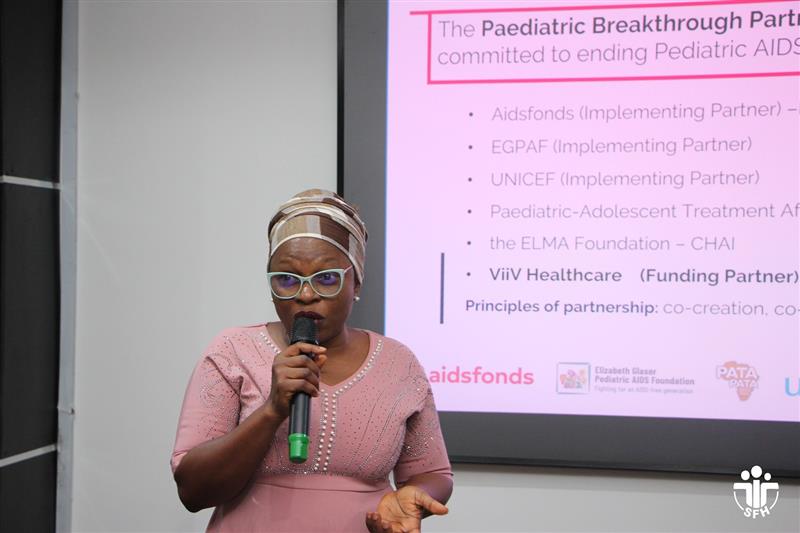
Country Lead Aisha Dadi described the Paediatric Breakthrough Partnership as a strategic initiative funded by VIIV Healthcare and implemented by Aidsfonds (SFH), UNICEF, EGPAF, and PATA. The partnership aims to end paediatric AIDS by 2030 by improving service delivery through integrated community-facility models and policy advocacy. Dr Jennifer Anyanti, SFH DMD, discussed the real-time impact of the USG funding reduction on HIV programming in Nigeria with a focus on halted ART & testing, disrupted supply chains, PLHIV fear, and workforce demobilisation. Despite these setbacks, Dr Anyanti noted that paediatric HIV services remained operational due to special waivers, but warned of medium- to long-term risks such as treatment interruption, viral resistance, and backsliding on the 95-95-95 targets. 
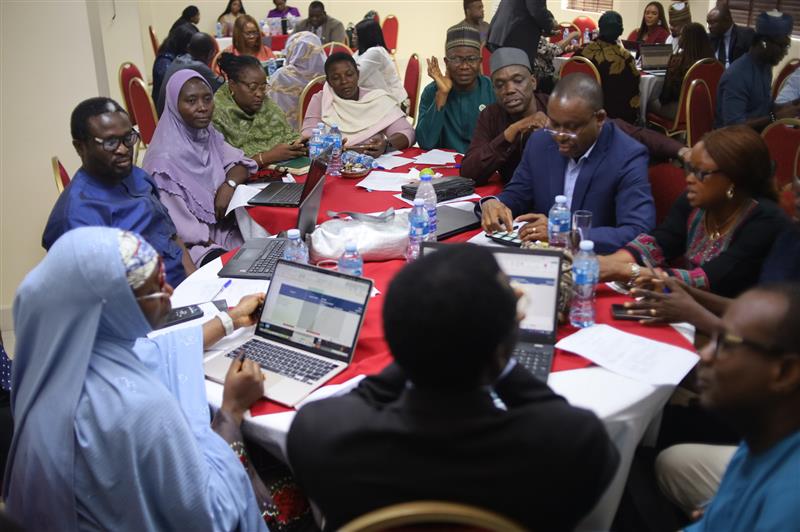
The conversation on sustainability deepened during a breakout group discussion involving government representatives, implementing partners, and civil society organisations. A national retention programme and harmonised indicators for disclosure were also proposed to bolster continuity of care. These points reinforced NASCP’s data-driven recommendations, presented by Dr Ehimen Etiobhio, who stressed the need for unified retention definitions, expanded training on disclosure, and timely policy updates.
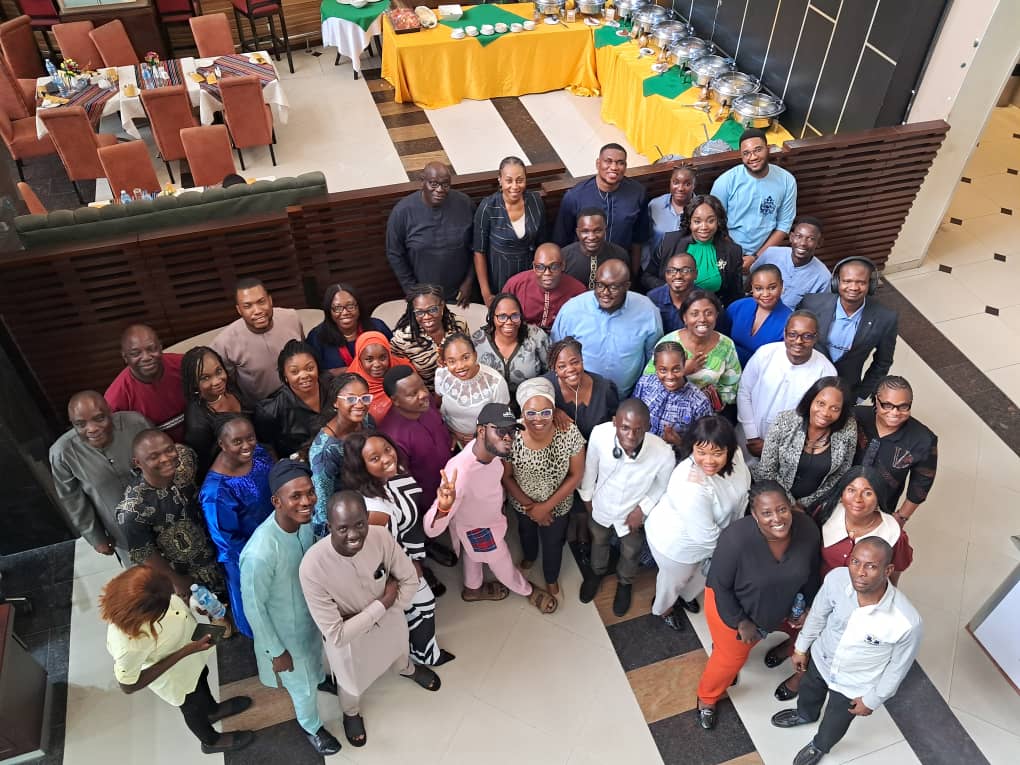
On Day 2, IHVN highlighted the importance of age-appropriate disclosure using the Operation Triple Zero (OTZ) club model: zero missed appointments, zero missed medication, and zero viral loads. Best practices, such as joint disclosure sessions with peer champions and guided caregiver preparation, were shared. EGPAF, PATA, and SFH also spotlighted innovations and lessons from the field, including SFH Taraba’s “Kids to Care” community model. The workshop had facility visits on Day 3 to Rumukrushi Model Primary Healthcare Centre MPHC, Rivers State University Teaching Hospital RSUTH, and Magaret God’s Intervention Maternity Borokiri that sought to offer deeper insight into how integration between community, and facility-based care can be strengthened to improve outcomes for children and adolescents living with HIV.

SFH Joins National Dialogue on Cervical Cancer Elimination Strategies
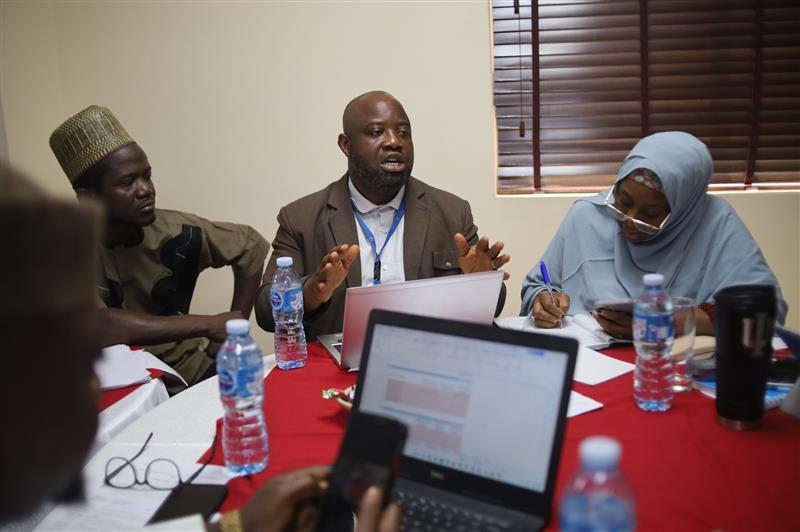
Cervical cancer is the 2nd most common cancer among women aged 15–44 years (after breast cancer). It is the 2nd leading cause of female cancer deaths in Nigeria. Statistics show approximately 12,075 women are diagnosed with cervical cancer, with about 7,968 women dying from the disease each year. In response to this urgent need to address the burden of cervical cancer in Nigeria, the Cervical Cancer Elimination Task Force was established under the leadership of the Federal Ministry of Health and Social Welfare (FMoHSW), in alignment with the WHO Global Strategy to Eliminate Cervical Cancer as a public health problem. The task force brings together key stakeholders, including government agencies, development partners, civil society organisations, professional bodies, and the private sector, to coordinate and drive national efforts toward cervical cancer elimination.
Key interventions led by the task force include the development and implementation of a National Strategic Plan (2023–2027), introduction of the HPV vaccine into the national immunization schedule for girls aged 9–14, expansion of screening services using cost-effective methods, strengthening of data and monitoring systems, and intensified public education and advocacy to boost awareness and support for prevention efforts.
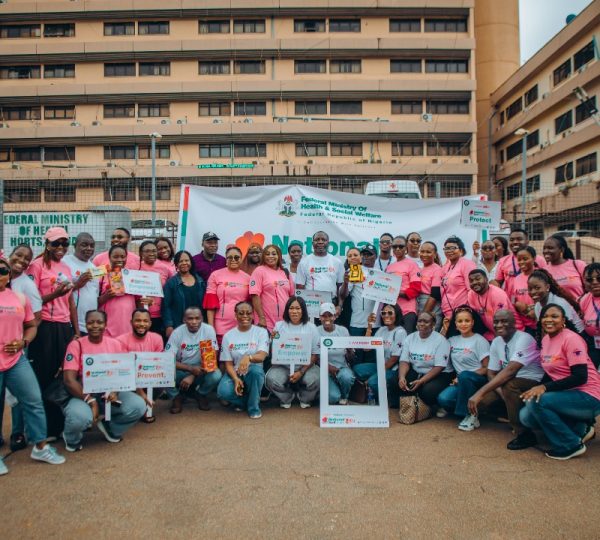
Recently, the National Task Force on Cervical Cancer Elimination (NTF-CCE) held a one-day Preparatory Meeting and two-day high-level Validation Workshop in Abuja on the Costing of the National Plan for Cervical Cancer Elimination. These aimed to ensure the costing framework accurately reflects the realities of Nigeria’s health system and contributes to impactful action toward our shared elimination goal. This is in preparation for the launch of the National Strategy for Cervical Cancer Elimination in Nigeria by the First Lady of the Federal Republic of Nigeria, Senator Oluremi Tinubu, on the 3rd of June 2025.
Society for Family Health, being a key member of the task force, was represented at the event by the Alternate Lead RMNCAEH Cone, Dr. Ezechukwu Ikenna Nwokoma. SFH provided technical leadership in the review and development of cost components within the primary prevention thematic area, with a particular focus on ensuring the financial feasibility and sustainability of HPV vaccination scale-up strategies and other proactive interventions. Also present at this workshop were the FMOHSW, NPHCDA, WHO, UNICEF, CHAI, PPFN, Gates Foundation, World Bank, Jhpiego, NICRAT, representatives from the states, and the Academia.
SFH remains very influential in the efforts to eradicate cervical cancer in Nigeria, having implemented the Cervical Cancer Screening and Preventative Therapy (CCSPT) project in 6 territories comprising 17 states. Women of Reproductive Age (WRA) were provided with screening services for cervical cancer as well as treatment for pre-cancerous lesions and referral for high-level care.

SFH A360 Project Joins Launch of National Youth Health Initiative

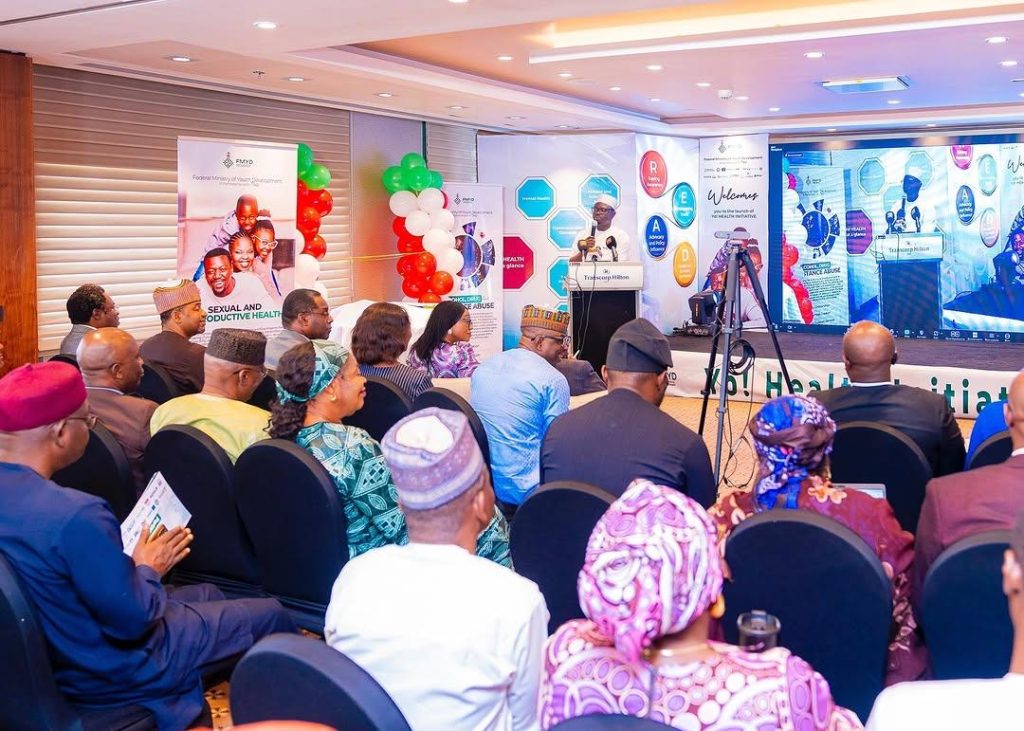
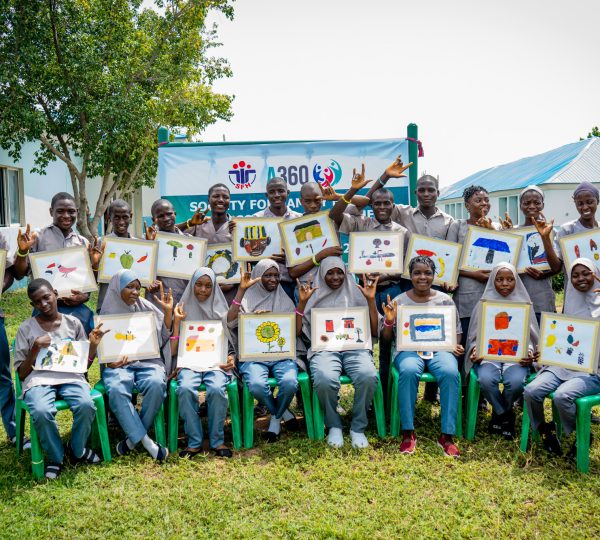
As part of our commitment to advancing adolescent and youth health in Nigeria, the A360 Project under Society for Family Health participated in the official launch of the Youth Health Initiative by the Federal Ministry of Youth Development. This national platform represents a bold step towards repositioning youth health and well-being as a strategic priority within Nigeria’s development agenda. The initiative focuses on critical areas such as mental health, substance abuse, sexual and reproductive health, communicable and non-communicable diseases, and access to health insurance.
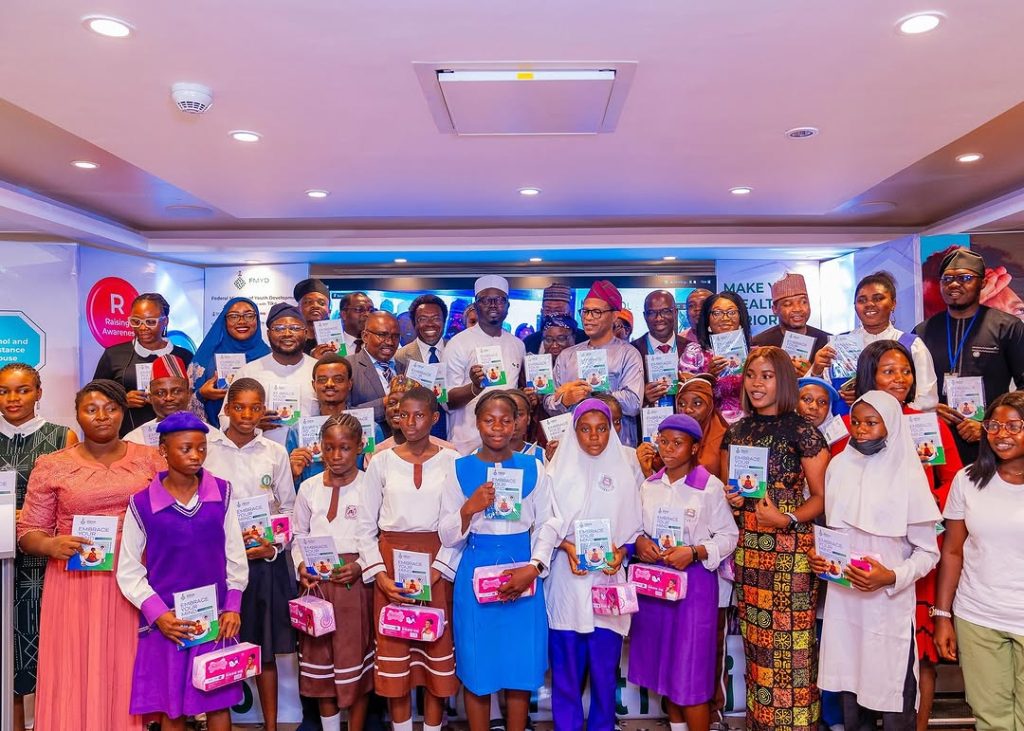
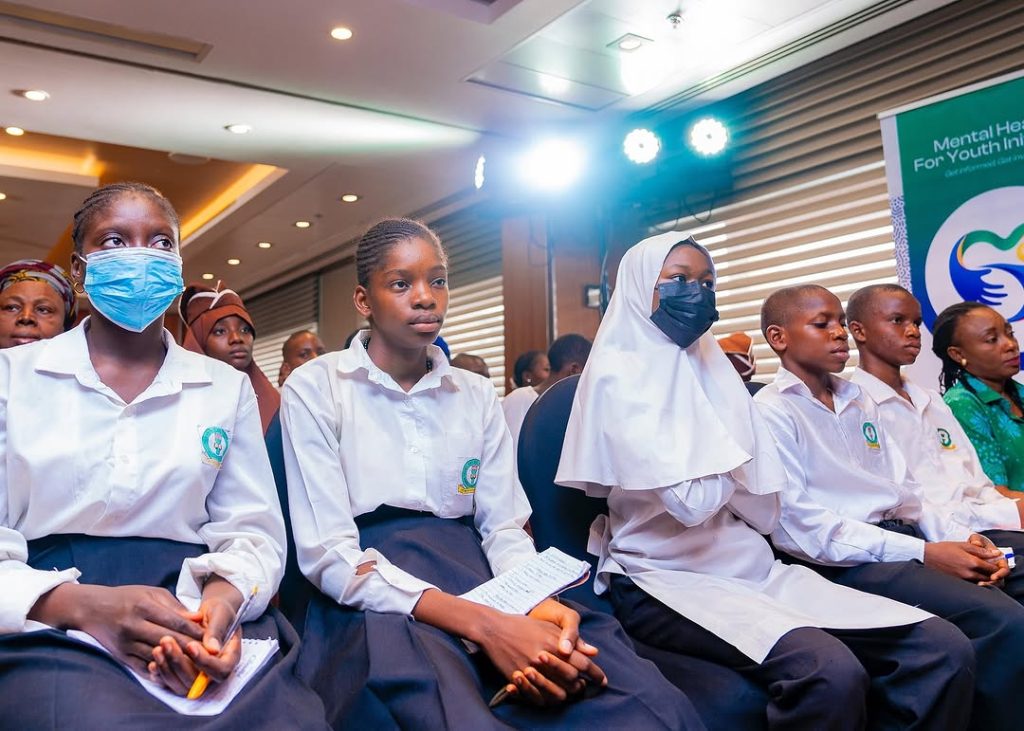
This engagement aligns with the core focus of A360’s work and reinforces our strategic objectives: to raise awareness, empower young people, drive policy advocacy, and promote collaborative program implementation. Our presence at this high-level event underscores our shared vision for a multi-sectoral, youth-centred, and sustainable approach to adolescent and youth health programming in Nigeria.
Looking ahead, the A360 Project will convene a National Policy Dialogue, an opportunity to expand the national discourse on a holistic and multi-sectoral approach to adolescent and youth development. Through this dialogue, we aim to advocate for structural integration and sensitisation of the A360 models in the delivery of youth-friendly health services. In collaboration with the Federal Ministry of Health and Social Welfare and the Federal Ministry of Youth Development, we seek to institutionalise innovative, youth-driven solutions that will outlive the project and drive long-term national impact. Our participation in the Youth Health Initiative launch marks a pivotal step in building the policy momentum and stakeholder synergy needed to secure lasting government commitment to adolescent and youth development.

Breaking New Grounds: SFH Champions Community-Led Harm Reduction Messaging in Oyo State

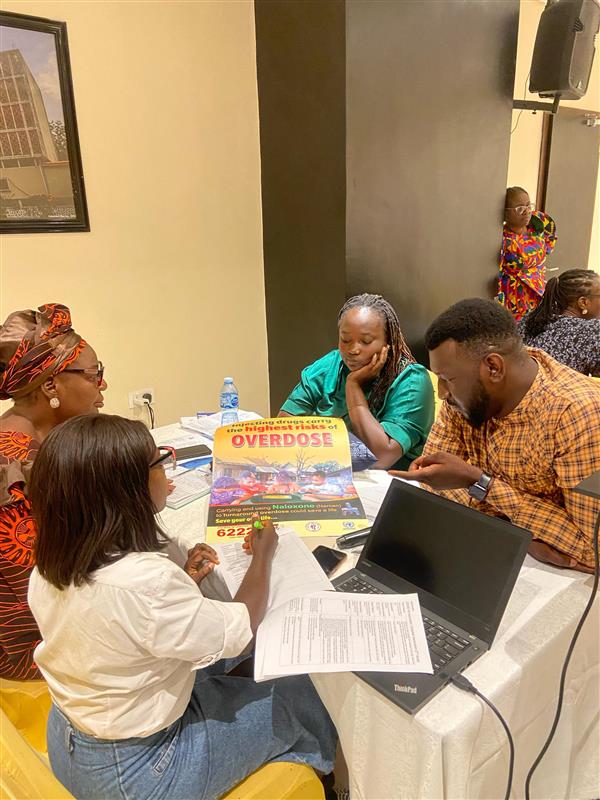
In a groundbreaking step to tackle Hepatitis C and other bloodborne viruses among People Who Inject Drugs (PWID), Society for Family Health (SFH) in partnership with the Oyo State Ministry of Health developed and adapted several culturally relevant and context-specific Information, Education, and Communication (IEC) materials focused on harm reduction in Oyo State. This is a novel initiative, as there are currently no harm reduction IEC materials in the state.
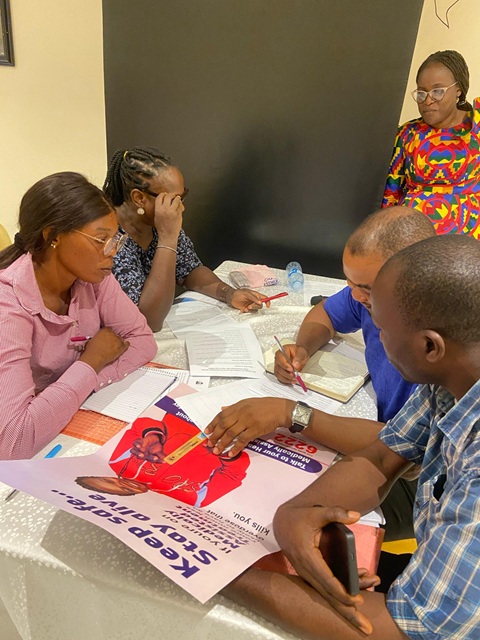
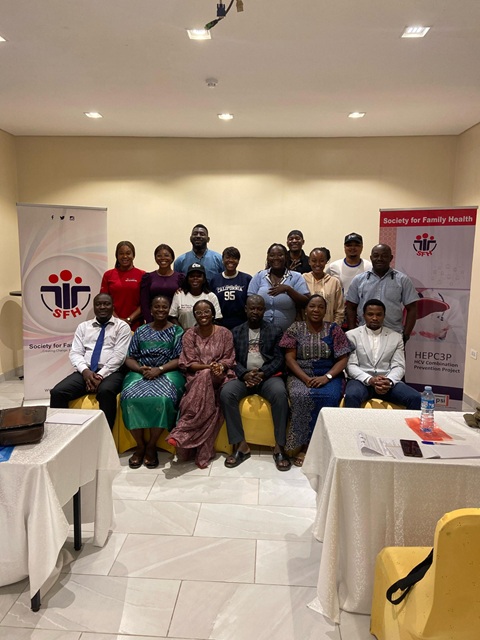
This innovative measure was achieved through a community-centred material development workshop, bringing together harm reduction partners (from both the public and private sectors), communication experts, and members of the target community. With a human-centred approach, participants reviewed existing tools, identified messaging gaps, developed the corresponding Risk Communication and Community Engagement (RCCE) themed creative briefs, and eleven new community-focused materials evolved.

W4HL Project holds SBC Material Development Workshop in Lagos State

Society for Family Health (SFH) held a 4-day Social and Behaviour Change (SBC) material development workshop for the WASH for Healthy Life (W4HL) project at the Golden Tulip Hotel, Ikeja, Lagos state. This important session brought together key stakeholders to co-create context-specific communication materials that will support the ongoing WASH interventions across the intervention communities and schools in Edo and Nasarawa states.
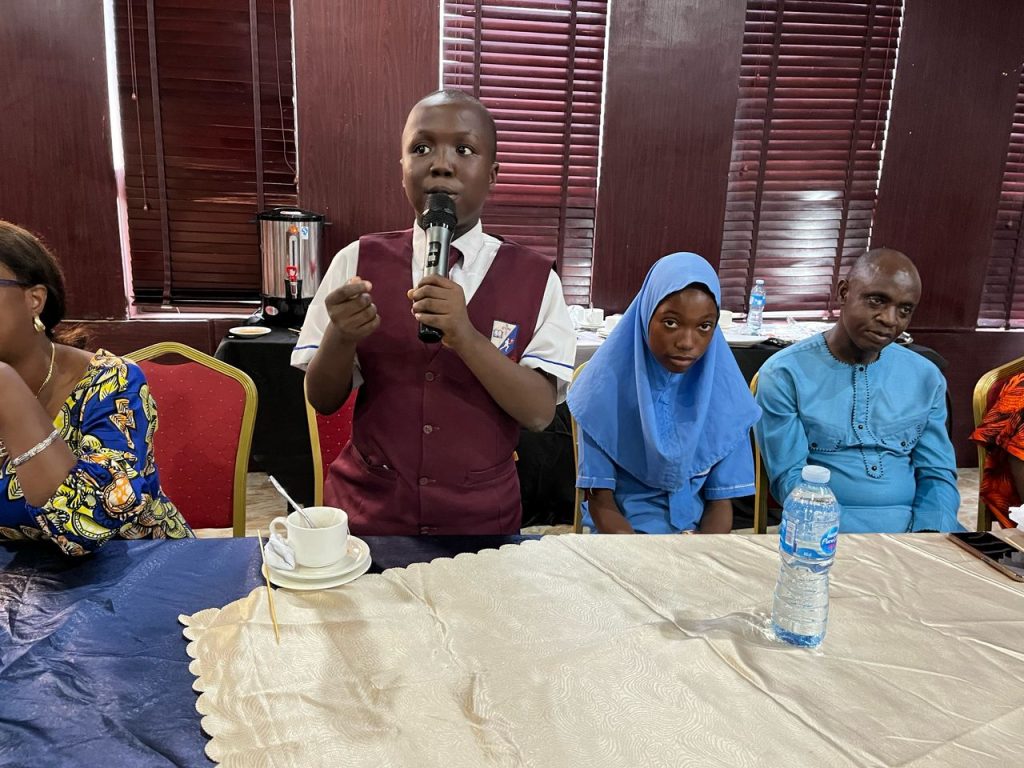
In attendance were representatives from the Federal Ministry of Water Resources and Sanitation (FMWRS), Nasarawa State Rural Water Supply and Sanitation Agency (NARUWASSA), Edo State Small Town Rural Water Supply and Sanitation Agency (STRUWASSA), Edo State Ministry of Education, and the Palace of the Esu of Karu. Their collaborative input was vital to ensuring that the developed materials are culturally relevant, technically accurate, and impactful.
Discussions at the workshop were centred around messaging that drives positive hygiene practices, increases awareness, and encourages sustainable WASH behaviours. The materials to be created would play a crucial role in reinforcing key WASH messages, promoting sustained behaviour change such as handwashing with soap, safe water storage, latrine use, and menstrual hygiene management. Ultimately, the workshop supports the WASH project’s goal of improving public health outcomes by equipping communities with the knowledge and motivation to adopt healthy hygiene practices.
This workshop highlights SFH commitment to participatory processes and evidence-driven solutions. The W4HL project continues to prioritise the voices of communities, government partners, and traditional leaders in shaping communication tools that truly resonate with end users.

SFH and Partners Inaugurates a Steering Committee Meeting in Sokoto State

The Sokoto State Ministry of Health, in collaboration with the Pharmacists Council of Nigeria (PCN) and with support from Society for Family Health (SFH) through the IntegratE Project, recently inaugurated the State Steering Committee for Community Pharmacists (CPs) and Patent and Proprietary Medicine Vendors (PPMVs). The event was chaired by the Honourable Commissioner for Health, Dr Faruk Abubakar.
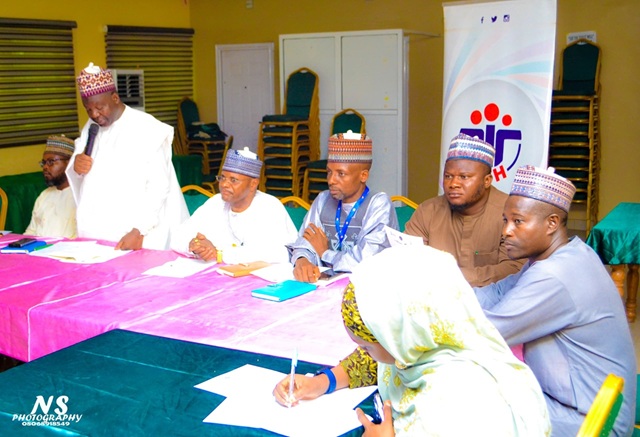
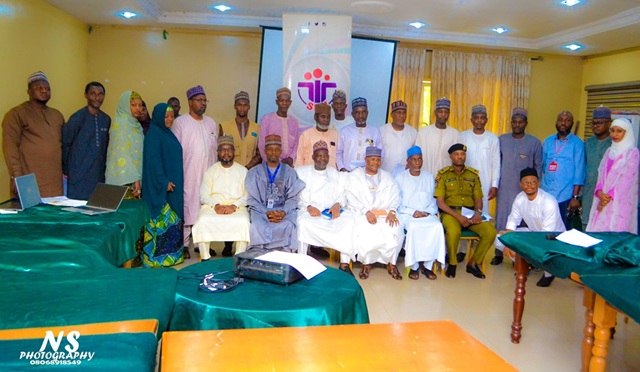
This Steering Committee was established to enhance coordination, oversight, and ensure alignment of the IntegratE Project with Sokoto State’s healthcare priorities, particularly the integration of CPs and PPMVs into the Primary Healthcare (PHC) system. The Permanent Secretary, Alh. Ibrahim Haliru Dingyadi Mni, opened the session with a welcome address, emphasising the importance of multi-sectoral collaboration and alignment with state health strategies. Goodwill messages were also shared by key stakeholders, including PCN, NAFDAC, NDLEA, ACPN, PSN, and PPMV representatives, all reaffirming their commitment to strengthening CP and PPMV roles in delivering quality primary healthcare services.
Ummulkulsum A. Dikko, the State Technical Advisor for the IntegratE Project, presented an overview of the project’s milestones, highlighting the project’s achievements, the 3-tier accreditation system, and strategic focus areas such as family planning, integrated community case management (iCCM), and demand generation. In his keynote address, Dr Faruk Abubakar officially inaugurated the Coordination Committee, affirming the government’s commitment to regulatory strengthening, sustainability, and the need to institutionalise the project through policy and systems-level engagement.
The meeting concluded with a vote of thanks by the Regional Program Manager, Murtala Muhammad Ibrahim, who appreciated all stakeholders for their presence and ongoing support. The session was formally closed with final remarks and a collective commitment to effective coordination going forward.
 

SFH Provided Technical Assistance to Nasarawa State Ministry of Health for The Establishment Of Private Health Institutions Regulatory Agency (PHIRA)

The private healthcare sector in Nigeria faces a range of regulatory challenges, including a fragmented regulatory framework, high compliance costs, and limited government oversight. These issues contribute to poor service delivery, patient safety risks, and the proliferation of unregulated and substandard facilities. In response to rising population demands and inadequate public health funding, private health institutions have grown rapidly, often without proper oversight. This has led to widespread concerns about quackery and unsafe medical practices, particularly in states like Nasarawa, where private hospitals, clinics, laboratories, and even health training institutions are emerging without sufficient regulatory control.
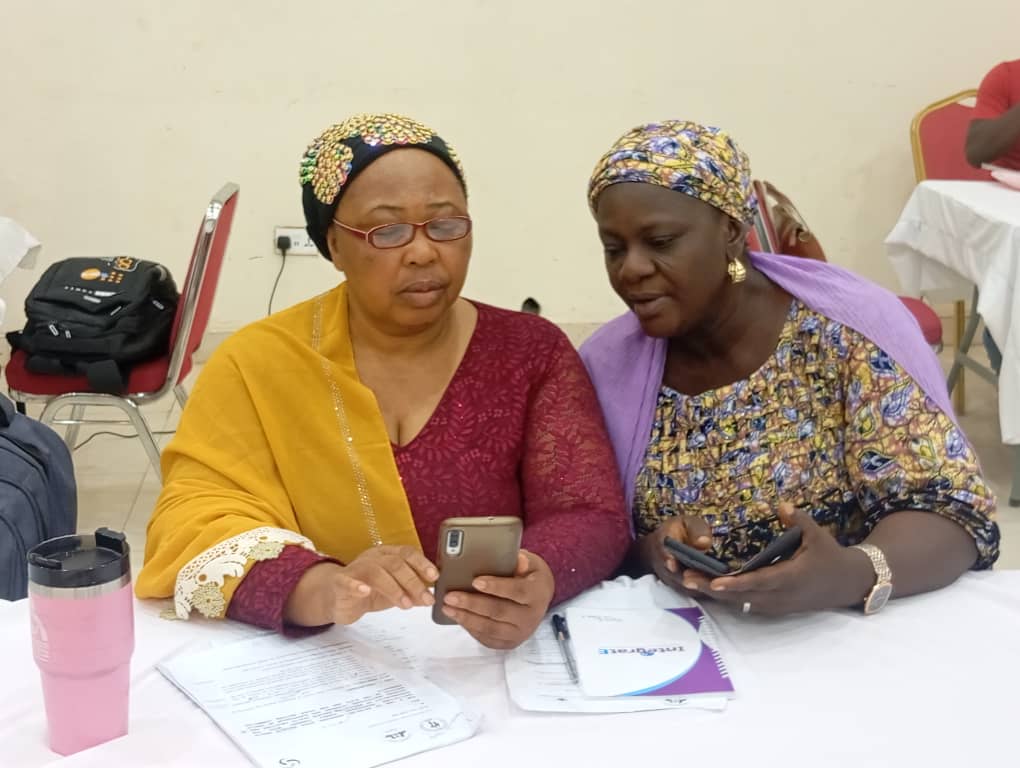
To address these concerns, the Nasarawa State Government initiated the process of establishing the Private Health Institutions Regulatory Agency (PHIRA). The move mirrors similar initiatives in states like Lagos and Kano, which have established agencies to monitor and regulate private healthcare providers. The proposed PHIRA bill has passed the first and second readings in the State House of Assembly and was subjected to public scrutiny. However, the bill initially faced criticism from various stakeholders over specific provisions that seemed misaligned with existing laws or failed to include key professional groups.
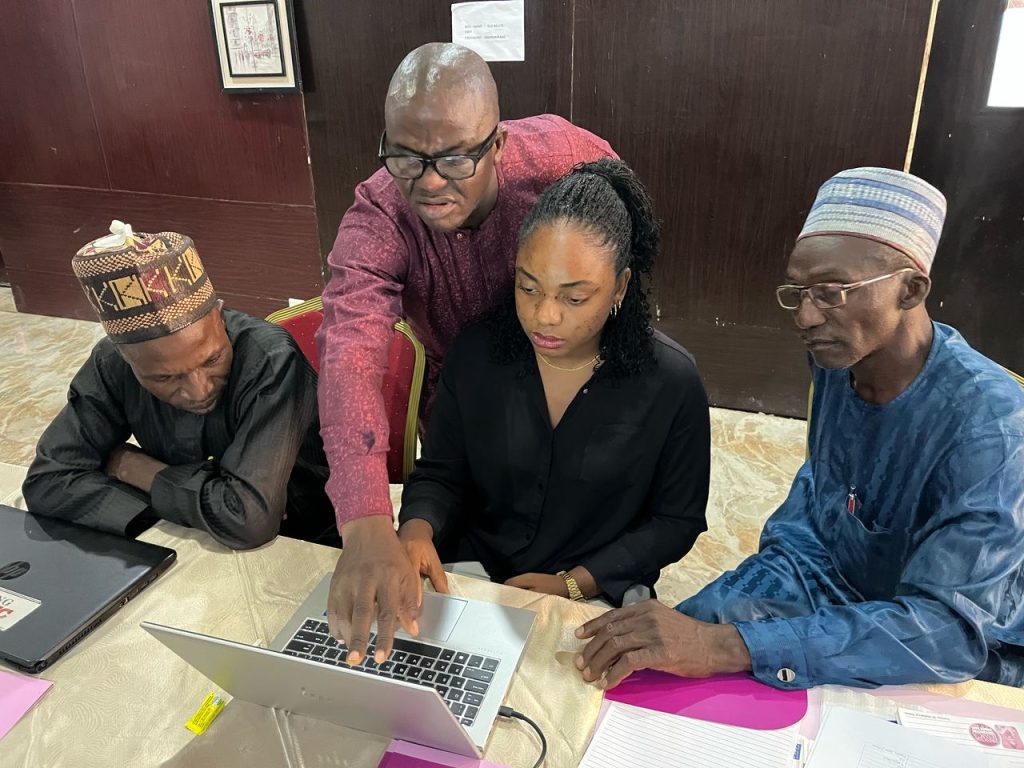
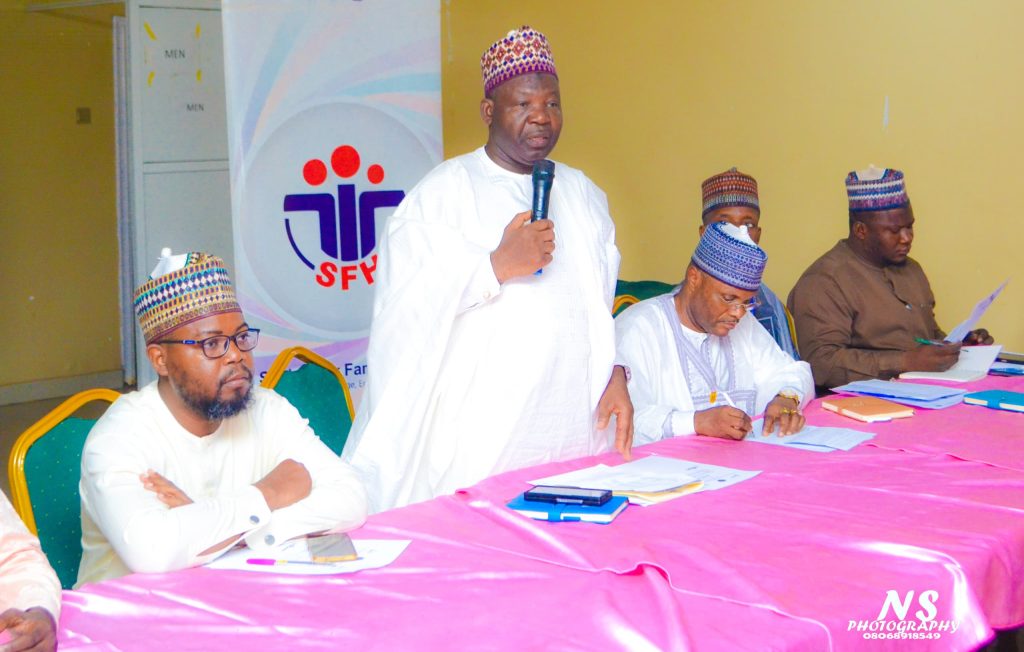
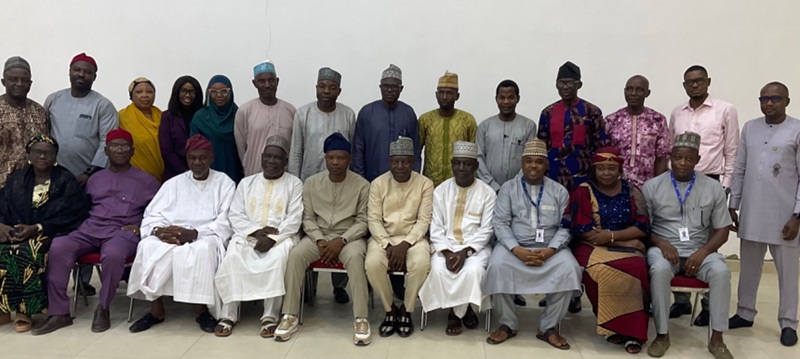
To resolve these issues, the Nasarawa State Ministry of Health, with technical assistance from the Society for Family Health (SFH), organised a two-day consensus-building meeting in Keffi. Facilitated by the Assistant Chief Policy Advocacy and Governmental Engagement Officer, Dayyabu Yusuf, with support from SFH State Technical Adviser, Emmanuel Odiniya, the meeting brought together several stakeholders. Participants included legislators, state health officials, representatives from federal regulatory agencies, legal experts, and numerous professional associations. The goal was to thoroughly review the bill, align it with best practices, and ensure inclusive representation on the agency’s proposed governing board.
The consensus meeting resulted in a participatory and detailed review of the bill, during which contentious provisions were amended to reflect national standards and stakeholder inputs. Participants appreciated the inclusive process and pledged ongoing collaboration with the Ministry of Health to address remaining operational concerns. The Commissioner of Health, Dr Gaza Gwamna, expressed gratitude for the broad support and reaffirmed the agency’s commitment to strengthening regulation and ensuring safer, more standardised private healthcare in Nasarawa. The Chairman of the House Committee on Health, Hon. Larry Ven-Bawa, also pledged the Assembly’s support to expedite the bill’s passage and ensure swift assent by the Governor.

HOW TO GUIDE – A360 Nigeria

Young people’s participation in community development leads to positive outcomes and empowers them.  Many organisations are committed to Meaningful Adolescent Youth Engagement (MAYE) but face challenges. 

This How-To Guide describes the steps for engaging young people in decision-making platforms within their communities using, as a successful example, Adolescent 360’s experience in introducing young people to Ward Development Committees in 4 states (Jigawa, Nasarawa, Kano, and Kaduna) in northern Nigeria.

Weekly Quotes/Nuggets

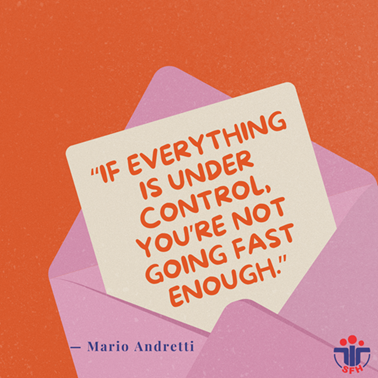
quote 23 May

Important updates to catch up with 

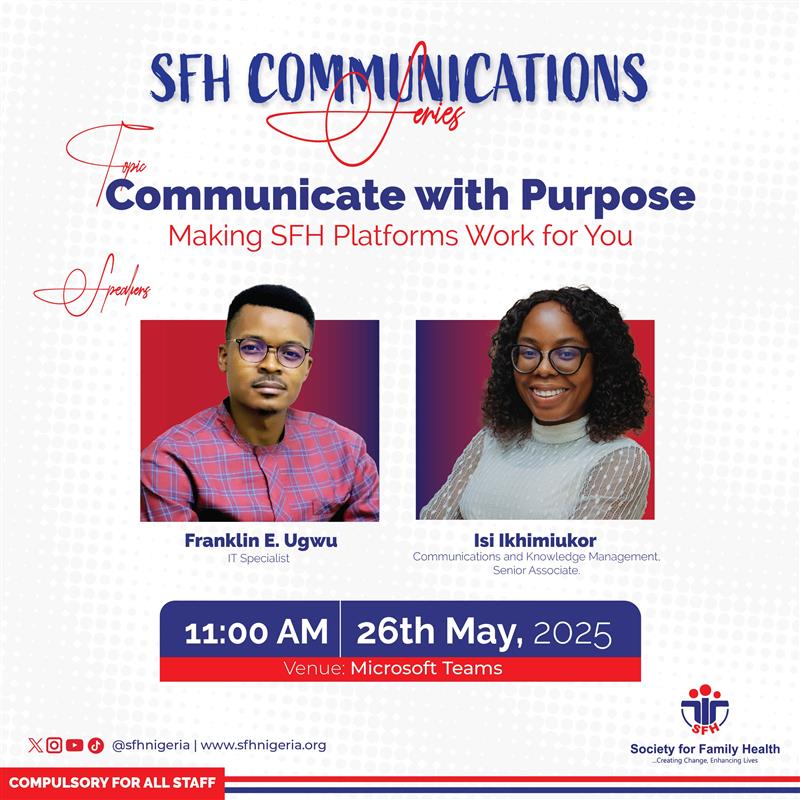
Communicate with Purpose: Making SFH Platforms Work for You

Our Communications Series is here again. We are excited to invite you to the next session of the SFH Communications Series, titled: Communicate with Purpose: Making SFH Platforms Work for You.

This engaging and practical session will walk you through maximising SFH communication tools (internal and external) to enhance your work and strengthen the organisation’s visibility. Areas to cover include:
Navigating SFH Internal Platforms: You will learn how to get the most out of Microsoft Teams, OneDrive, SharePoint, SFH University, Knowledge Management Repository, etc.
Learning the Ropes on LinkedIn: You will learn how to optimise your profile, connect with purpose, and position both SFH and yourself as thought leaders in the development space.
Date: Monday, 26th May, 2025
Time: 11:00 AM
Venue: Microsoft Teams
This session will feature live demos, actionable tips, and Q&A, and will be co-anchored by Franklin E. Ugwu (IT Specialist) and Isibhakhomen Y. Ikhimiukor (Communications & Knowledge Management). Whether you seek to communicate internally or build your professional presence externally, this session is designed to help you achieve this with clarity, confidence, and purpose.
Save the date and mark your calendars.
  • Introducing SFH Access Logistics – Your Partner for Seamless Delivery Across Nigeria

    We are excited to announce the latest expansion of the SFH Access portfolio, SFH Access Logistics. SFH Access Logistics is your trusted partner committed to delivering reliable, cost-effective, and timely logistics solutions across Nigeria. Our services include:

  • – Bulk haulage of commodities and assets nationwide.
  • – Last-Mile deliveries of essential health commodities, ensuring timely access where it’s needed most.
  • – Transport and delivery of laboratory samples, ensuring safety and efficiency in handling sensitive materials.

     Reach us: +2348155540008, logistics@sfhaccess.org

    SFH Access Logistics, Your Dreams. Delivered.

ICYMI

#FunTimes 

Are you wondering what we do when not engrossed with work? We captured a few of the beautiful moments we cherish with our staff. Don’t miss out on SFH updates – follow us on all platforms to stay in the loop. Click to watch.

Love to read previous News Reports?

  • Hey, amazing content for you to engage with on all our social media platforms. We would love to see your comments, likes and reactions.😍 

Feel free to also share our posts. 

Follow us across all our social media platforms

Leave A Comment

Your Comment
All comments are held for moderation.