 SFH Nigeria Website
SFH WASH Preparedness Intervention Protecting Lives in Nigeria’s Flood-Prone Communities
-
by

By Isibhakhomen Y. Ikhimiukor, Pharm. Jane Adizue, Uzoamaka Hilda Okoye
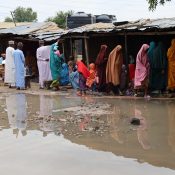
Every rainy season, the familiar sound of rushing water signals not relief but dread for some communities within Nigeria. Riverbanks swell, farmlands drown, homes collapse, and within days, safe water sources turn brown and unsafe. What begins as a natural event quickly spirals into a public health crisis. Flood waters mix with human waste and refuse, spreading pathogens that cause deadly diseases such as cholera, typhoid, and diarrhea. According to the World Health Organization (WHO, 2023), over 80% of cholera cases worldwide are directly linked to unsafe water and poor sanitation. In Nigeria, this reality is visible in the aftermath of every major flood as the affected communities struggle with what is left of the already limited WASH infrastructure are left fighting for survival.
The 2022 flood disaster alone affected more than 4.4 million people, displaced 2.4 million, and claimed over 600 lives (NEMA, 2023). As the Nigeria Hydrological Services Agency (NIHSA) and the Nigeria Meteorological Agency (NiMet) continue to project intense flooding between 2024- 2025, the risk remains high, especially across low-lying and riverine states. Climate change, unchecked deforestation, poor urban planning, and inadequate drainage systems compound the threat. For the most vulnerable populations, floods are not just environmental events; they are recurring humanitarian emergencies that test the limits of survival and public health response.
Amidst these discouraging score of events, Society for Family Health (SFH) is helping bridge the gap between disaster response and proactive preparedness through its WASH in Emergency Preparedness Response intervention. At its core, it is about safeguarding dignity, saving lives, and building resilience before the next wave of floods hits.
Between week 1 and week 26 of 2025, Nigeria recorded 3,109 suspected cholera cases and 86 deaths, with a case fatality rate (CFR) of 2.8%. The outbreaks in Zamfara and Benue States were particularly alarming reminders that emergency preparedness cannot wait. Responding to early flood alerts from the National Inland and Coastal Authority (NICA), which listed 17 states at risk of severe flooding, SFH launched targeted interventions in 11 priority states: Zamfara, Jigawa, Borno, Rivers, Bayelsa, Ebonyi, Akwa Ibom, Delta, Niger, Nasarawa, and Benue.
These states were not chosen at random, each one has a history of recurring floods and frequent waterborne disease outbreaks. In many of their communities, open wells and untreated boreholes remain the only water sources; unfortunately, these are easily contaminated once the floods arrive.
SFH’s approach is not only about responding when disaster strikes but preparing long before it does.
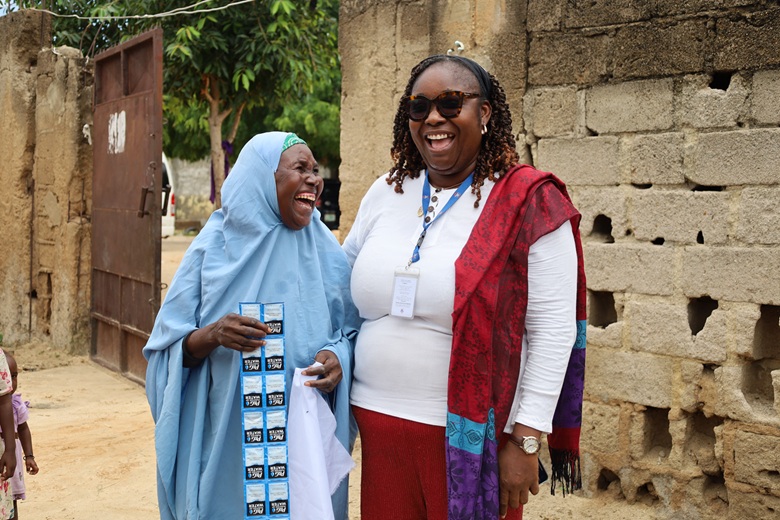
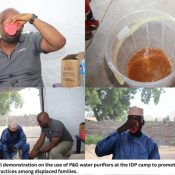
SFH’s strategy in the 10 other states draws inspiration from its earlier intervention in Mokwa, Niger State, where flash floods displaced hundreds of families. Working in close partnership with the Niger State Ministry of Water Resources and Sanitation, SFH distributed 96,000 sachets of P&G Purifier of Water, trained residents on safe water handling, and led hygiene sensitization sessions across Internally Displaced Persons (IDP) camps. The results were immediate and profound as families regained access to clean drinking water, and communities learned practical skills to prevent disease outbreaks even amid chaos.
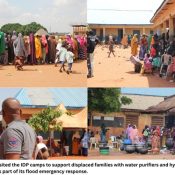
That success laid the groundwork for an expanded intervention. Building on these lessons, SFH expanded its emergency preparedness interventions across 10 of the flood-prone states, incorporating advocacy, capacity building, and community engagement into its design. Through partnerships with state ministries, Rural Water Supply and Sanitation Agencies (RUWASA), and traditional leaders, SFH is fostering systems that empower communities rather than leaving them dependent on emergency aid.
Across the world, nations vulnerable to natural disasters have learned that resilience is built, not improvised. From the flood-prone deltas of Bangladesh to the drought-stricken plains of Kenya, evidence shows that early planning and community empowerment saves both lives and resources. According to UNICEF (2023) and the Global WASH Cluster (2022), every $1 invested in preparedness saves up to $7 in emergency response and recovery.
SFH’s intervention embodies this principle. Through the distribution of 1,356,000 sachets of P&G Purifier of Water, training of LGA WASH coordinators, and advocacy visits to state authorities, SFH is establishing a framework for sustained emergency readiness. Community sensitization campaigns, which promote hygiene and sanitation practices, ensure that every intervention not only provides immediate relief but also influences behavioural change.
This approach shifts the narrative from short-term aid to long-term systemic community strength. It transforms communities from passive recipients of assistance into active custodians of their health and environment. In the short term, disease outbreaks are curtailed, but in the long term, stronger systems emerge, systems capable of withstanding shocks, sustaining safe practices, and coordinating effectively across all tiers of government. This we count as a win for everyone and at every time.
The success of this emergency preparedness effort was greatly dependent on collaboration. SFH’s WASH in Emergency Response leveraged multi-level partnerships to achieve impact. Working hand-in-hand with the Federal Ministry of Water Resources and Sanitation, state governments, RUWASA, and local actors. Each stakeholder played a crucial role, from logistics and coordination, with some even standing as a link between SFH and other relevant bodies and agencies.
What SFH achieved through this intervention was far greater than disease prevention; it was a step in ensuring strengthened systems, mindsets, and partnerships that can thrive effectively beyond emergencies. Every sachet of purified water distributed, every coordinator trained, and every advocacy visit made contributes to building a Nigeria where no community is left behind in the face of disaster.
The drastic effects of climate change are gradually but surely intensifying, and extreme weather conditions is becoming the new normal, the lessons from SFH’s WASH in Emergency response are clear, owning that preparedness is the path to protection, and resilience is the ultimate form of recovery.