News Updates

News and Photo Stories Week 30

SFH IN THE NEWS

Adamawa Targets 1.2m Children In Malaria Campaign

Leadership, 18 July 2025

The Adamawa State government has launched a Seasonal Malaria Chemoprevention Campaign targeted at 1.2 children across the 21 local government areas. The state deputy governor, Prof Kaletapha Farauta, who flagged off the exercise in Yola on Friday lamented that malaria has continued to be a major public health concern, especially for children under five years. Farauta said the campaign is a strong statement of government’s commitment to protecting the lives and futures of children and communities.
The deputy governor, represented by the chief of staff, Government House, Dr Edgar Amos noted that the SMC campaign is a proven strategy for reducing the burden of malaria during the rainy season when the risk of transmission is highest. “It involves the administration of safe and effective antimalarial drugs to children aged 3-59 months every month during the peak transmission period.
Click here to read more

Kano Govt To Support Neighbouring States In Tackling Maternal, Neonatal Mortalities

AIT News, 18 July 2025

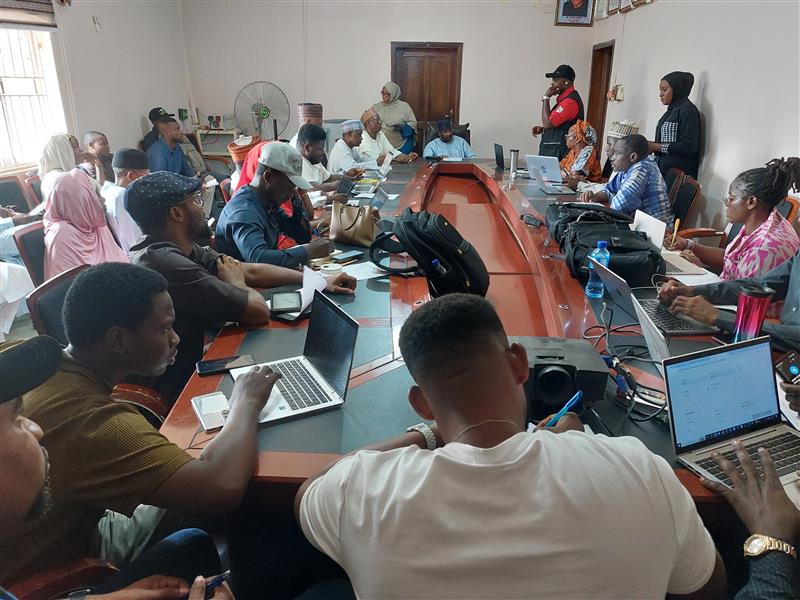
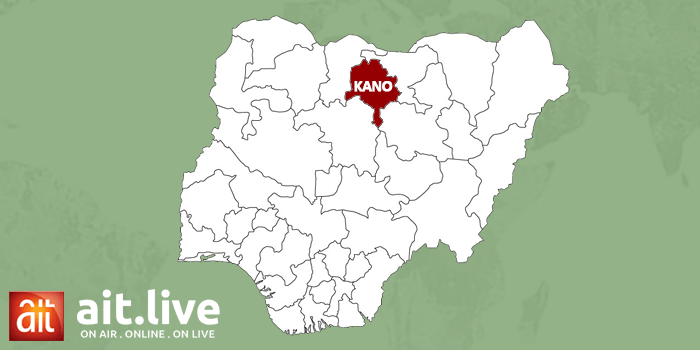
Kano State Government has recognised the problems, and identified the factors that are associated with the high rate of maternal and neonatal mortalities, with a view to addressing them. The Commissioner for Health, Dr. Abubakar Labaran, said this at the Integrated North-West Mid-Year Retreat, held in Kano.

The objective of the retreat, which has in attendance, participants from Kano, Kaduna, and Sokoto States, is to review programme implementation against targets for years 1-4. The IntegratE project, led by the Society for Family Health, is aimed at expanding access to quality family planning and primary healthcare services, through community pharmacists, patent and proprietary medicine vendors in Nigeria.
Click here to read more

SFH ACTIVITIES

SFH, FMoH, WHO and other Partners Commemorate Nigeria’s First National Self-Care Day
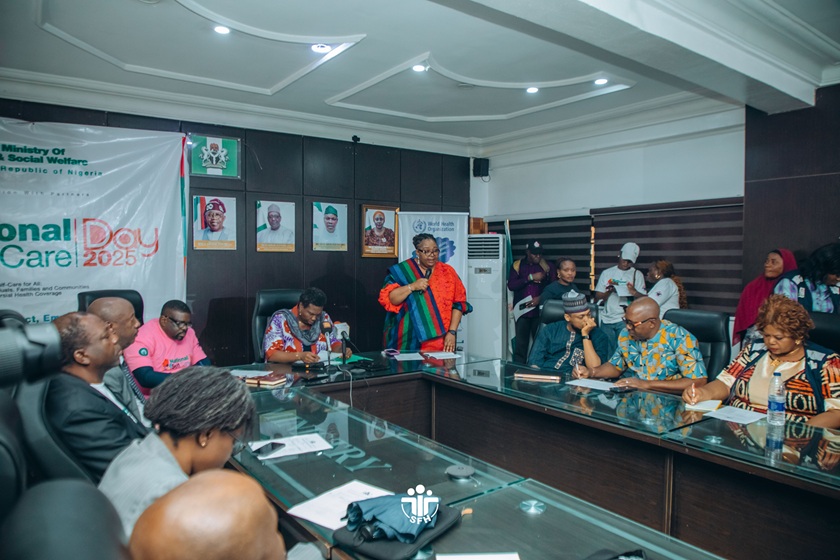
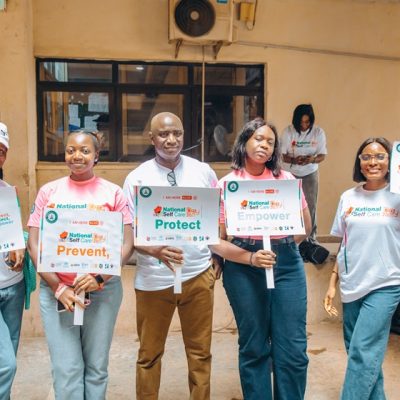
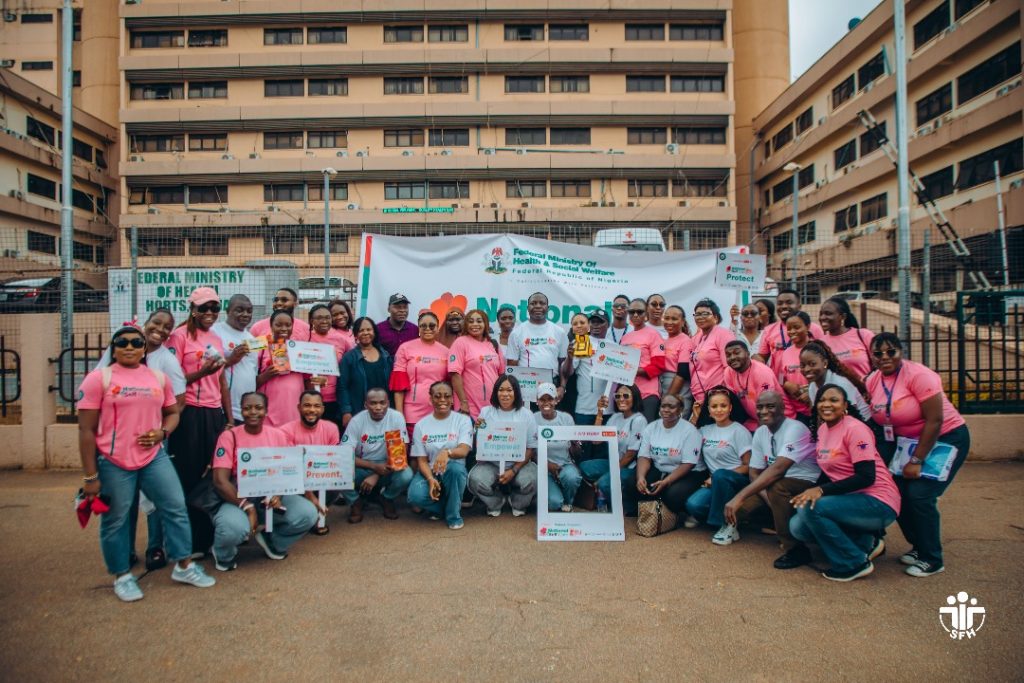
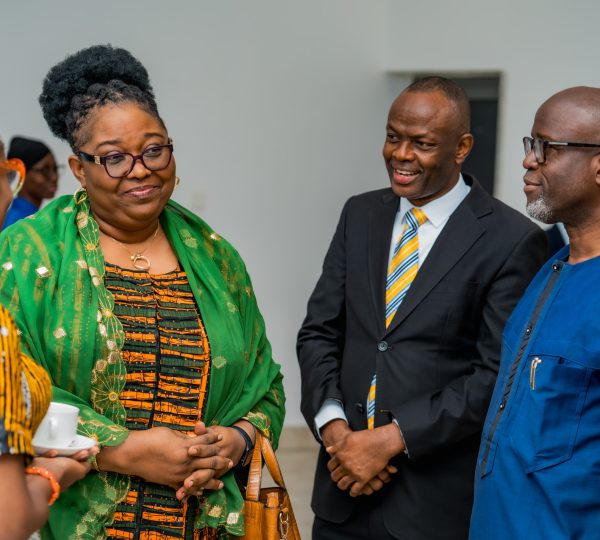
The Federal Ministry of Health and Social Welfare, in collaboration with Society for Family Health (SFH), the World Health Organization (WHO), White Ribbon Alliance Nigeria, Association of Reproductive and Family Health (ARFH), and other key partners, marked Nigeria’s first-ever National Self-Care Day on 24th July 2025 with a ministerial press briefing and road walk at the Ministry’s headquarters in Abuja. The event, themed “Self-Care: Empowering Individuals, Families and Communities for Universal Health Coverage,” aimed to spotlight self-care as a transformative strategy in strengthening the country’s healthcare system.
Representing the Coordinating Minister of Health and Social Welfare, Professor Muhammad Ali Pate, Director Food & Drug Services Department Pharm Olubunmi Aribeana emphasised that self-care is not a luxury but a health necessity. She noted that empowering individuals to take responsibility for their health reduces pressure on healthcare facilities and accelerates Nigeria’s Universal Health Coverage (UHC) goals.
Dr Binyerem Ukaire, Director and Head of the Department of Family Health, FMOH described the commemoration as a milestone in repositioning healthcare around informed choice and community empowerment. WHO’s representative, Dr Alex Gasasira, commended Nigeria for being among the first countries to launch a dedicated five-year self-care strategy, encouraged Nigeria to adopt the Self-care wheel while reinforcing WHO’s commitment to support its full integration across national and sub-national levels.
Society for Family Health, through its Delivering Innovation in Self-Care (DISC) Project, highlighted the impact of its empathy-based counselling model on uptake and continuity of self-injection and other reproductive health interventions. Dr Anthony Nwala, Assistant Chief Programme Officer, who represented SFH’s Managing Director, Dr Omokhudu Idogho, reiterated SFH’s commitment to making self-care central to Nigeria’s health system transformation.
Other activities marking the day included a national webinar on health workforce empowerment and a symbolic road walk around the Ministry, all aimed at raising awareness and promoting access to self-care tools. As Nigeria scales up efforts to achieve UHC, stakeholders called for greater investment, policy support, and community-driven approaches to ensure self-care becomes an everyday reality for all Nigerians.
ICYMI: Catch up on the Selfcare Webinar here
Selfcare day 2025 (11)
SFH-A360 Project holds Content Validation Workshop in Zaria
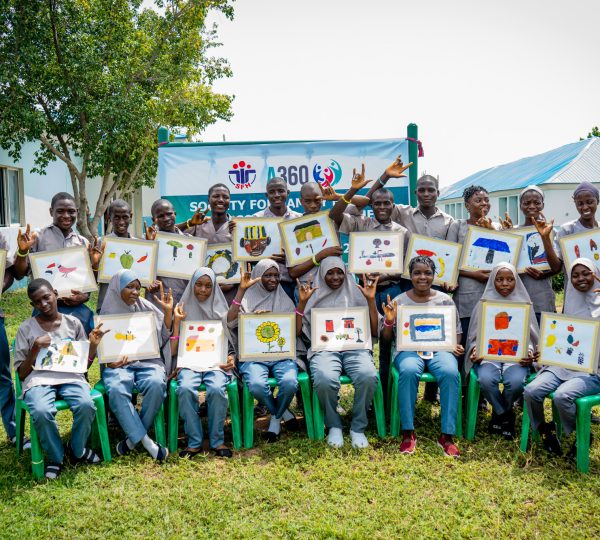
The A360 project designs and delivers girl-centered adolescent sexual and reproductive health (ASRH) interventions which support contraceptive uptake and use among adolescent girls between the ages of 15 and 19. In northern Nigeria, A360’s intervention, Matasa Matan Arewa (MMA), employs a two-pronged approach that targets both young married girls and their husbands through targeted one-to-one outreach by female mentors and male interpersonal communication agents. MMA navigates Northern Nigeria’s more conservative context by aligning contraceptive use with concepts of family health and stability. 
As an adaptation of the MMA intervention, the A360 Digital Self-Efficacy component seeks to address barriers to digital use among married adolescent girls in Northern Nigeria while generating evidence on how improving digital access and skills can positively influence broader outcomes.
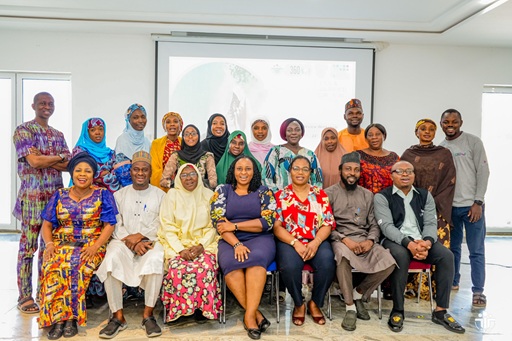
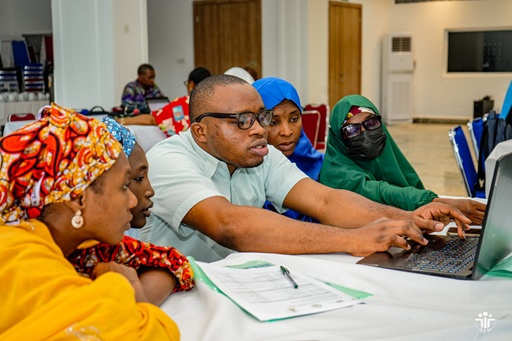
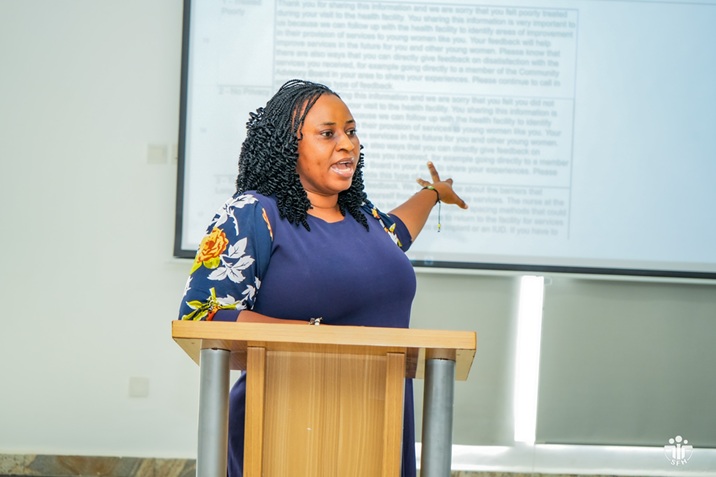
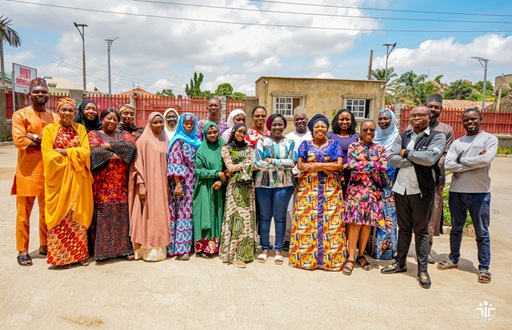
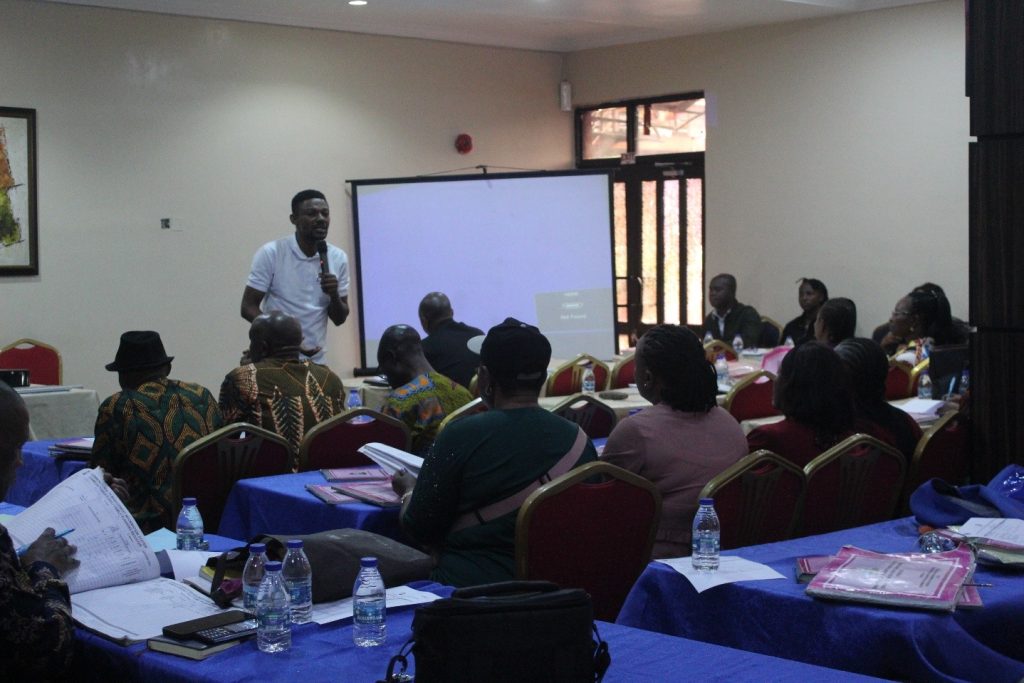
Building on this, Society for Family Health (SFH), in partnership with Viamo, has developed Interactive Voice Response (IVR) content focused on three critical areas: Family Planning (FP), Sexually Transmitted Infections (STIs), and Gender-Based Violence (GBV). To ensure the content is culturally sensitive, technically accurate, and aligned with both national and state health guidelines, a 4-day content review workshop was held from 21st to 24th July, 2025, in Zaria, Kaduna State. This workshop with key stakeholders from FMoH, SMoH, SPHCDA, SFH, and Viamo serves to review, validate, and refine the messages before rollout to the target audience.
 
Through this activity, A360 aimed to enhance adolescent girls’ access to accurate, relevant, and engaging health information using a medium (mobile phones) they are familiar and comfortable with. The IVR platform provides a private and accessible channel for girls to listen to pre-recorded messages at their convenience, empowering them to make informed decisions about their health and well-being.
Integrating these digital tools into the broader MMA intervention not only strengthens health systems but also reinforces the self-efficacy and agency of adolescent girls in Kaduna State.
SFH Showcases Innovative Paediatric and PMTCT Interventions at National HIV Health Sector Symposium
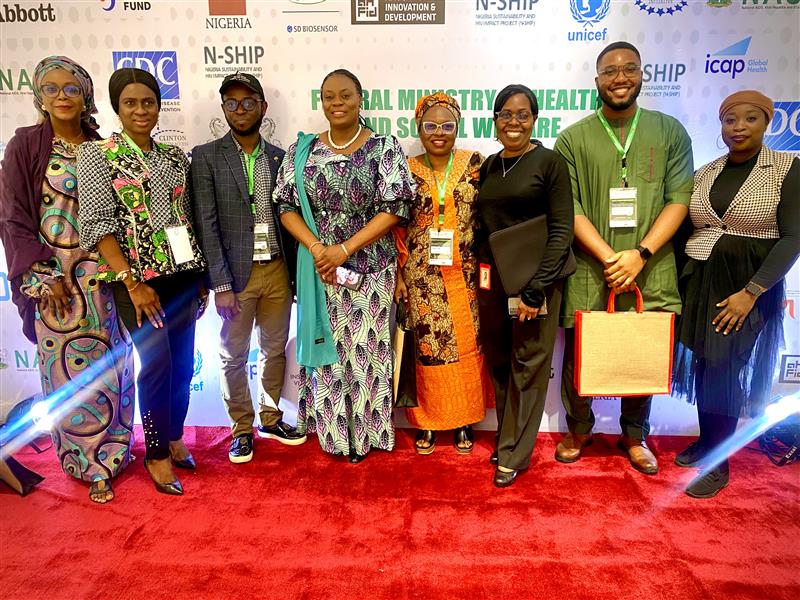
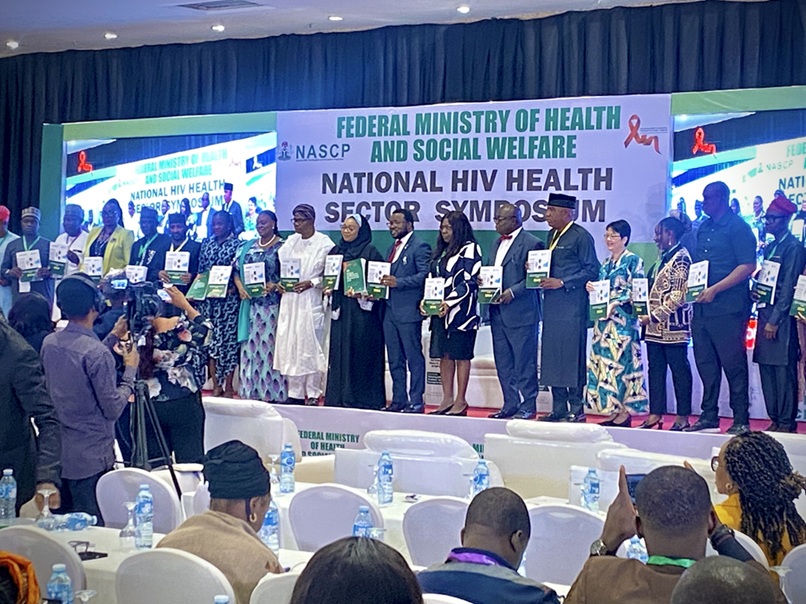
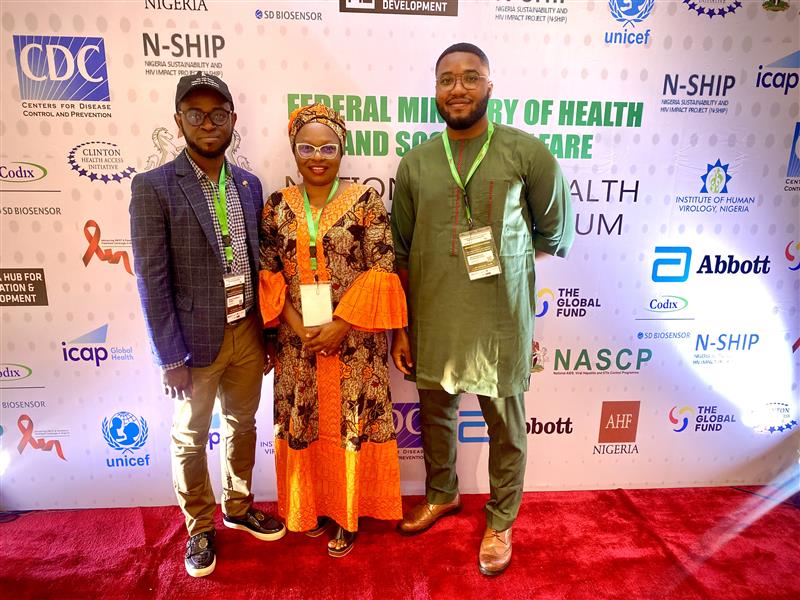
Society for Family Health (SFH) participated in the recently concluded National HIV Health Sector Symposium, spotlighting its innovative community-based interventions in paediatric HIV care and the prevention of mother-to-child transmission (PMTCT). Held at the Abuja Continental Hotel, the two-day event was convened by the National AIDS and STI Control Programme (NASCP) under the theme “Advancing PMTCT and Paediatric Treatment Coverage for Nigeria.”
The symposium opened with keynote speeches from the First Lady of the Federal Republic of Nigeria, the Honourable Minister of State for Health and Social Welfare, DG NASCP, NACA, and other development partners. Speakers emphasised the urgent need to improve PMTCT coverage and reduce vertical transmission of HIV, which are key strategies toward achieving an AIDS-free generation.
The event featured plenary sessions, discussion panels, and breakout abstract presentations centred on addressing persistent barriers to PMTCT and improving paediatric ART access.
 
SFH’s delegation, led by Aisha Dadi, Paediatric Breakthrough Partnership Program Director, and Anthony Nwala, Assistant Chief Programme Delivery Officer, participated actively throughout the symposium. SFH presented a range of impactful interventions through oral and poster abstracts. These included the Kidz Club model, which enhances adherence and retention in care among children living with HIV, and male involvement strategies that leverage traditional forums like Majalisa (men’s gathering) to engage men in antenatal and PMTCT services. SFH also shared insights from its targeted testing approaches, including index testing and community-driven risk stratification.
These presentations drew strong commendation from peer reviewers and other delegates, with many praising SFH’s data-driven and sustainable approaches to tackling barriers in paediatric and PMTCT programming.
 
As Nigeria works toward the elimination of mother-to-child transmission of HIV and ending paediatric AIDS by 2030, SFH reaffirmed its commitment to supporting government efforts, especially in underserved communities. Through sustained collaboration, innovation, and scale-up of evidence-based practices, SFH continues to be at the forefront of ensuring no child is left behind in the national HIV response.
Empowering HIV-Affected Households through Village Savings and Loan Associations in Rivers State
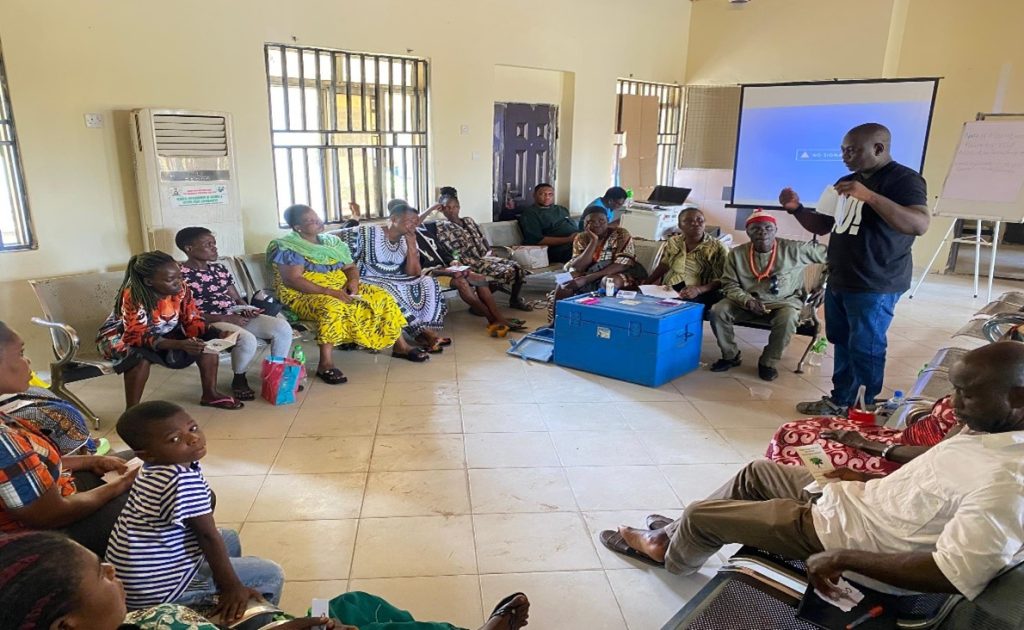
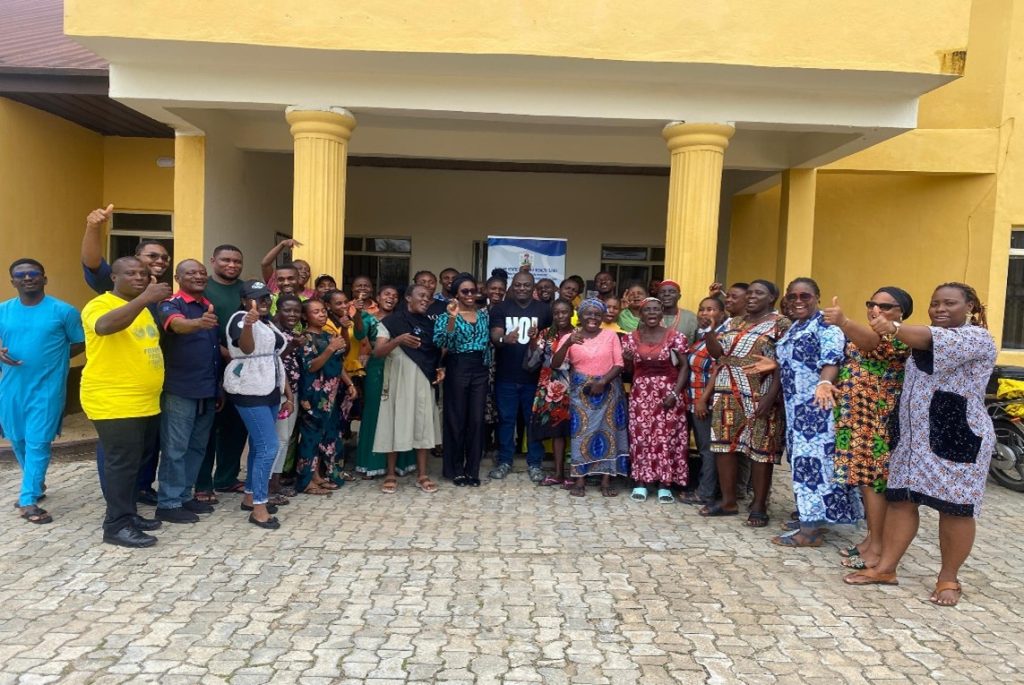
Recently, Society for Family Health through the Paediatric Breakthrough Partnership (PBP) project, conducted a comprehensive training session in Port Harcourt, Rivers State. The initiative aimed at scaling up Village Savings and Loan Association (VSLA) activities is designed to empower households with Children and Adolescents Living with HIV (CALHIV) by enhancing the financial resilience of the caregivers, an essential component in improving long-term treatment retention and achieving viral load suppression.
The training was held in clusters across key health facilities, including the Adolescent and Youth-Friendly Centre at the University of Port Harcourt Teaching Hospital and the Model Primary Health Centre (MPHC) hall in Omoku. Through structured savings, access to low-interest credit, and community-based social protection, the VSLA model offers a pathway to both economic empowerment and improved health outcomes for CALHIV and their families.
 
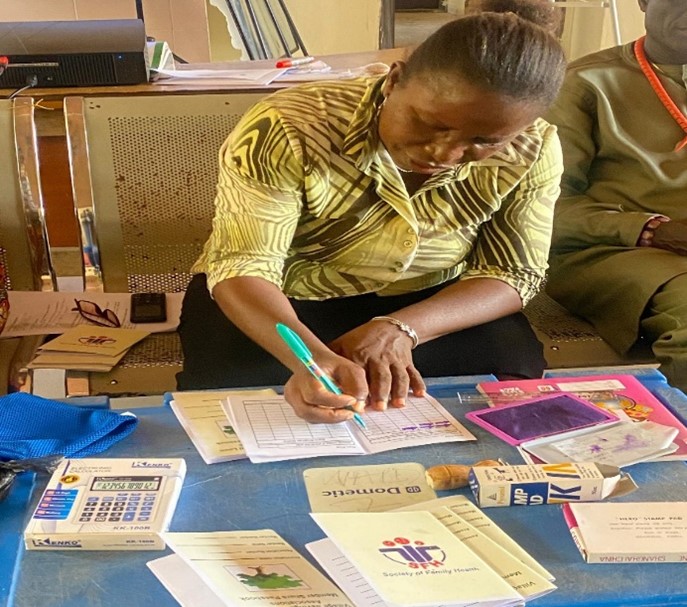
The training commenced with a welcome address by Dr Ibimina Tonye-LeggJack, Programme Manager, who contextualised the VSLA initiative within the broader framework of the SFH mission and PBP’s goal to support sustainability and community-driven solutions. Facilitator-led sessions introduced participants to the core principles of VSLA, highlighting its inclusive, transparent, and adaptable nature. Unlike traditional thrift models, VSLAs enable members to contribute flexible amounts and access funds as needed, under terms agreed upon by the group. A savings box demonstration and instructional videos helped to clarify the structure and tools of the VSLA model, including passbooks, padlocks, bowls for sorting funds, and transaction records.
 
The second phase of the training focused on group formation and governance. Facilitated by Mr Boniface Biliyockk, he guided participants through the setting up of a dual-fund structure: a loan fund for income-generating activities and a social fund for emergency needs. Members agreed on contribution rates, share values, and elected group officials including a chairperson, record-keeper, box-keeper, two money counters, and three key holders. A group constitution was co-developed, and a simulation session enabled participants to practice a typical VSLA meeting.
 
In her remarks, Dr Ufuoma Edewor, Programme Manager for the Rivers State AIDS and STIs Control Programme, applauded the initiative for its potential to strengthen both financial security and treatment adherence. Similarly, Dr Francis Naaziga, Programme Manager at the Rivers State Agency for the Control of AIDS (RIVSACA), encouraged full participation, noting the role of economic empowerment in improving the quality of life for CALHIV.
This VSLA scale-up marks a critical step toward community-led sustainability, reinforcing the importance of financial inclusion in the HIV response across Rivers State.
SFH prepares for Katsina State Integrated SMC-ITN Campaign: 2,258,549 SPAQ Doses and 4,450,660 ITNs to be Distributed

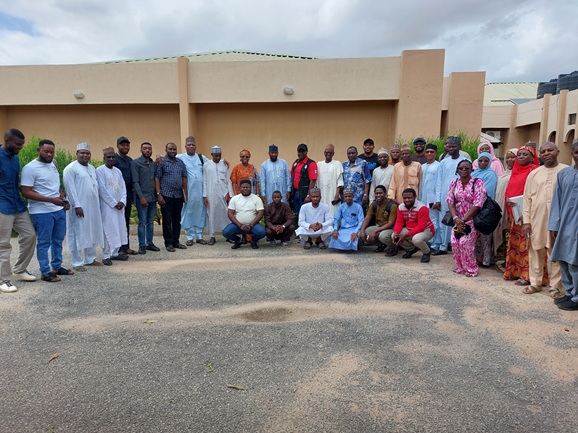
SFH has commenced preparations for a massive Integrated SMC-ITN Campaign, combining Seasonal Malaria Chemoprevention (SMC) and Insecticide-Treated Net (ITN) distribution across all 34 Local Government Areas (LGAs). The campaign is expected to reach millions of households with over 2 million doses of SPAQ for children under five and 4 million ITNs for household malaria prevention. The official planning process began with an entry meeting held on 16th July 2025 at the State Ministry of Health. The meeting was led by Mr John Ocholi, Project Director of the Global Fund Malaria Project at Society for Family Health (SFH), alongside representatives from Management Sciences for Health (MSH), SFH’s key implementing partner. The delegation was warmly received by the Honourable Commissioner for Health, Hon. Musa Adamu, who expressed strong support and commitment to the campaign.
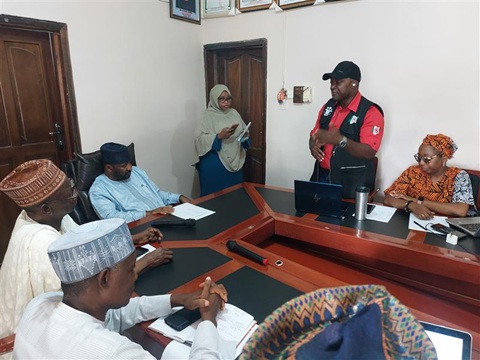
Mr John Ocholi, in his speech said, “The combined SMC and ITN distribution is not only innovative but also strategic, cost-effective, and community-focused. This campaign belongs to the people of Katsina. We are here to provide technical support, but it is your ownership at the political, community, and household levels that will determine its success. We ask for your continued commitment, mobilisation of state structures, and support in reinforcing public confidence in this intervention.” The Hon. Commissioner, in his welcome remarks, appreciated SFH collaboration and support in the fight against malaria and assured the team of his unwavering support at all levels from the ministry down to the wards, to ensure a successful campaign. He noted that the state is committed to mobilising all the structures, sensitising communities, and working side-by-side with SFH and partners to achieve and sustain universal coverage. “Together, we will protect our children and households and move closer to a malaria-free Katsina.”
Following the entry meeting, a State Training of Trainers (SToT) was conducted on 17th July 2025, targeting implementation teams from all 34 LGAs. Over 220 participants were trained on SMC and ITN distribution protocols, digital data tools, community engagement strategies, and supply chain coordination. The training aims to ensure high-quality implementation and seamless coordination across the state. As a leading malaria control partner, SFH brings decades of experience in designing and implementing integrated health campaigns in partnership with state governments, development agencies, and communities. Through its Global Fund Malaria Project, SFH remains committed to providing technical assistance, building capacity, and working with stakeholders to end malaria in Nigeria.

IntegratE Project Strengthens Community Healthcare with Quarterly Review Meetings Across Lagos


The IntegratE Project has reaffirmed its commitment to increasing access to Family Planning and improving primary healthcare services through quarterly data review meetings and refresher trainings held across Alimosho, Ojo, Badagry, and Ikorodu clusters in Lagos State. These sessions brought together trained community providers, project staff, master trainers, and key stakeholders from the Lagos State Ministry of Health, Lagos State Primary Healthcare Board and the Pharmacy Council of Nigeria to reinforce knowledge, review service provision data, and enhance providers’ skills in family planning balance counselling, provision of Long Acting Reversible Contraceptive LARC, as well as treatment of Integrated Community Case Management (ICCM).
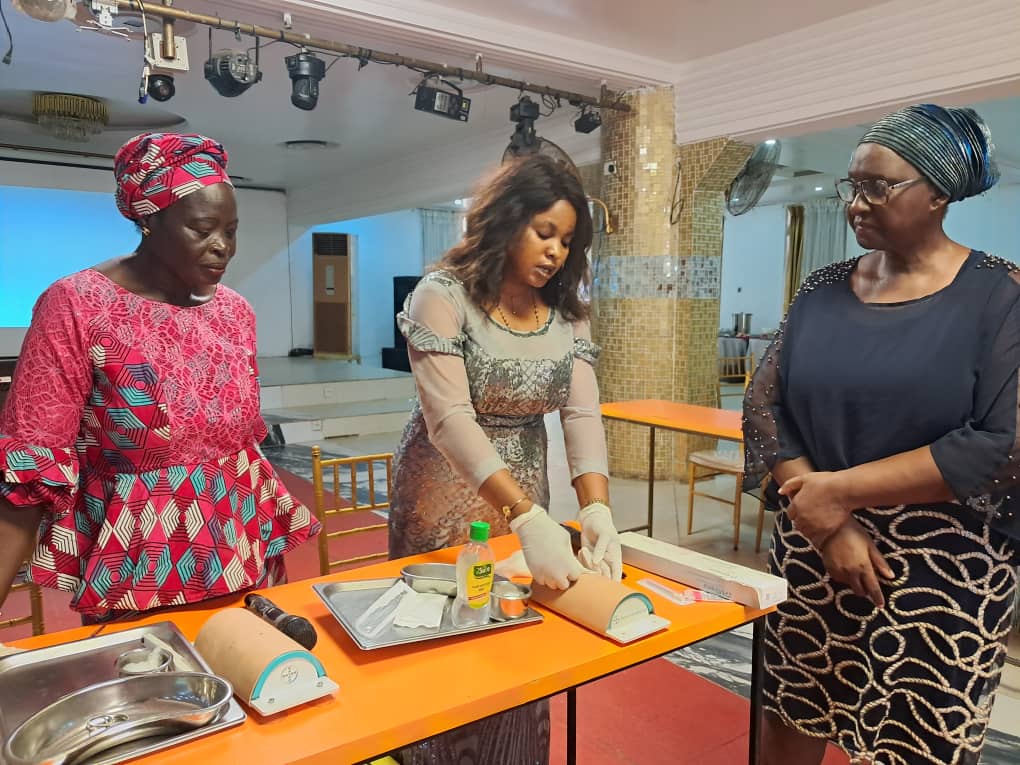
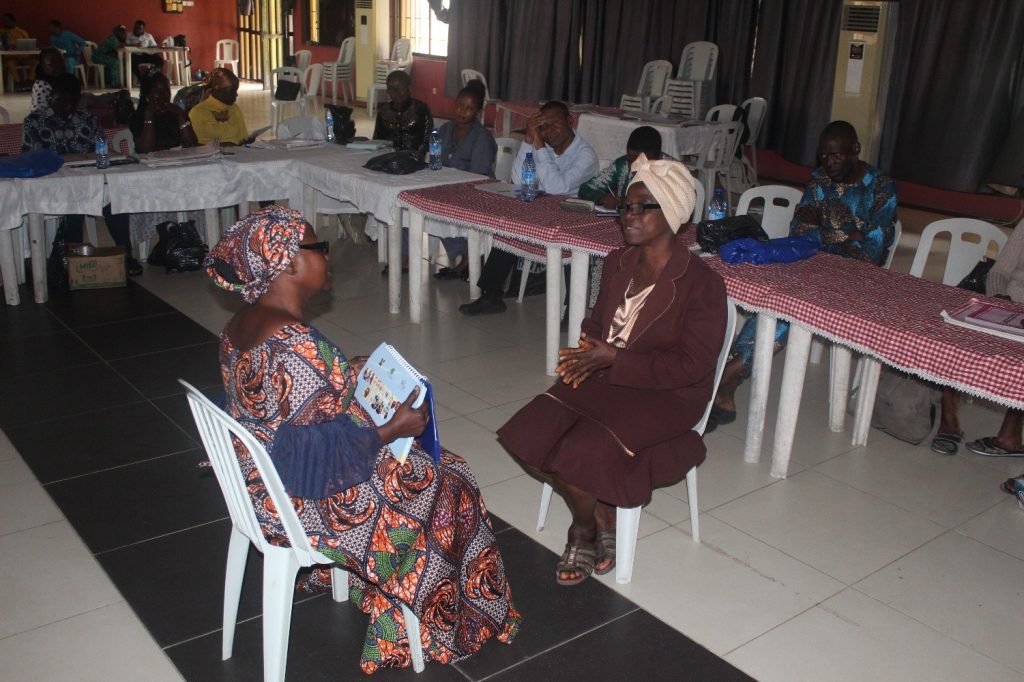
Over 300 participants actively engaged in roleplay on family planning counselling, hands on practical sessions on Implant insertions for Community Pharmacists and Tier-2 PPMVs, identification of fast breathing and management and malnutrition screening. In Alimosho, discussions focused on data accuracy, commodity stockouts, and the need for completion of LARC competency certification. The Ojo and Badagry clusters addressed key issues such as documentation, adherence to regulatory guidelines, and improving referral linkages. In Ikorodu, stakeholders highlighted the project’s impact and encouraged providers to sustain service quality and community engagement.
The sessions also served as a platform for collaborative learning, sharing of implementation challenges, and joint problem-solving. Stakeholders praised the dedication of providers and reinforced the importance of accurate reporting, timely data submission, and ongoing capacity building. Referral directories and MUAC tapes were distributed to support community-level interventions for malnutrition and primary healthcare services. Looking ahead, the IntegratE Project will continue to support trained providers through supervisory visits, mentorship, and state-led supervisory visits. With quarterly reviews anchoring continuous improvement efforts, the project remains steadfast in its goal of strengthening community healthcare delivery and ensuring lasting impact across Lagos State.

Article Alert


Adolescent Girls’ Agency in an Integrated Sexual and Reproductive Health and Economic Empowerment Intervention Pilot

Adolescence is a time of unique vulnerability for many girls, however, when supported to strengthen their capabilities, resources, and agency, adolescents can thrive even in adverse situations. This study sought to evaluate agency outcomes (decision-making power, mobility, and self-efficacy) among girls aged 15–19 participating in integrated sexual and reproductive health and economic empowerment interventions in Ethiopia and Nigeria.

Weekly Quotes/Nuggets

Quot 25 25

Important updates to catch up with 

  • ICYMI:

Love to read previous News Reports?

  • Hey, amazing content for you to engage with on all our social media platforms. We would love to see your comments, likes and reactions.😍 

Feel free to also share our posts. 

Follow us across all our social media platforms

Leave A Comment

Your Comment
All comments are held for moderation.