 SFH Nigeria Website
News and Photo Stories Week 23


SFH IN THE NEWS
Punch, 1st June 2025
The Kaduna State Government has announced plans to integrate the initiatives of the Society for Family Health to reverse negative health indices and harness demographic dividends. Dr Aisha Abubakar-Sadiq, Permanent Secretary of the Ministry of Health, disclosed this to the News Agency of Nigeria on the sidelines of the A360 Amplify Project ASRH Policy Dialogue and Transition Alignment meeting held on Sunday in Zaria. She explained, “The partner developed a concept in a Western country that provides us with a blueprint on how to develop and support our adolescents and young girls.” However, despite what she described as commendable progress in sexual and reproductive health, Abubakar-Sadiq highlighted data that demands urgent action.
Click here to read more.

SFH ACTIVITIES
SFH Commemorates World Menstrual Health Day
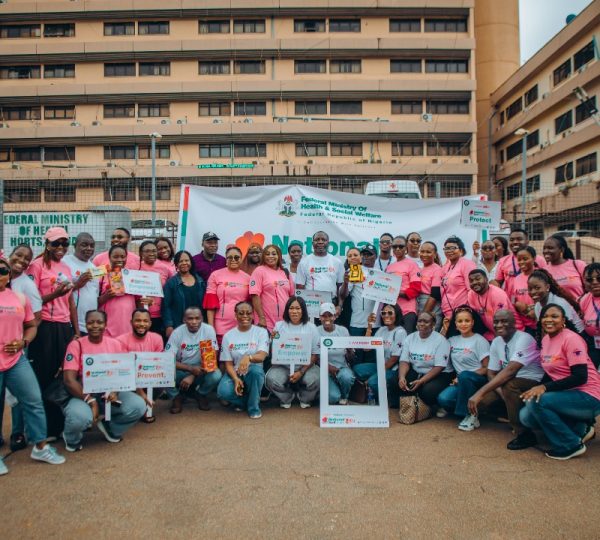
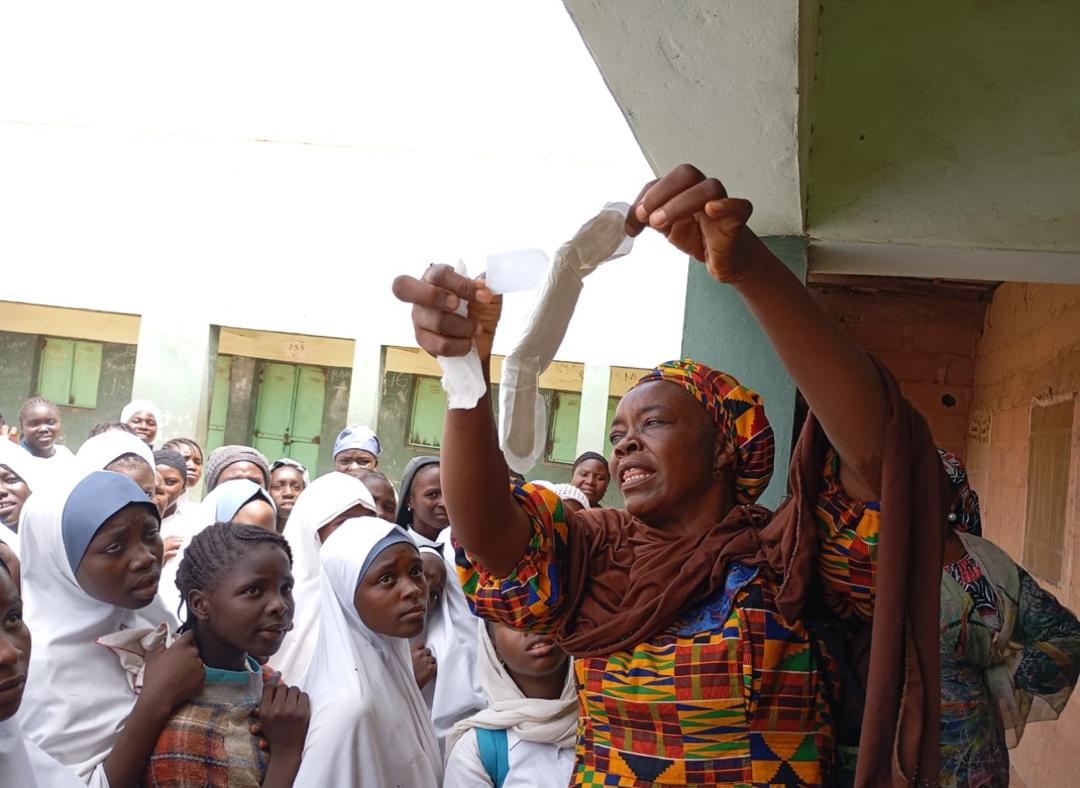
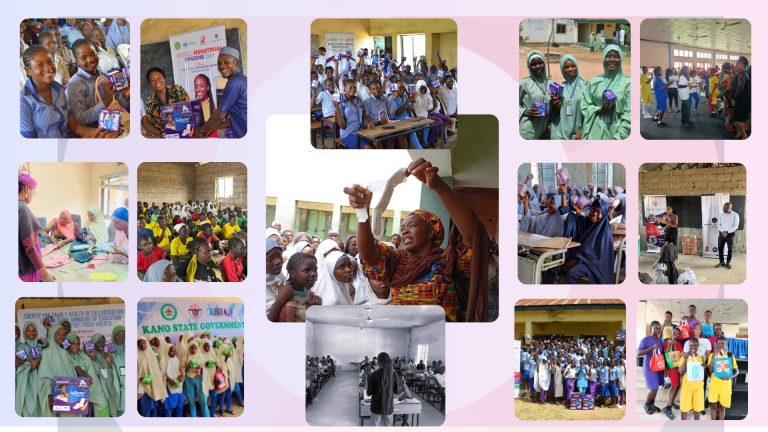
In commemoration of World Menstrual Hygiene Day 2025, we conducted a series of impactful activities across multiple states, reaffirming our commitment to tackling period poverty and promoting menstrual dignity for adolescent girls. In Nasarawa State, SFH W4HL commemorated the day with a targeted outreach at Government Secondary School Sabon-Gari, Keffi, winner of a recent inter-school quiz competition. The activity aimed to raise awareness on menstrual hygiene management (MHM), highlighting its critical role in girls’ health, education, and overall well-being. With the theme “Together for a #PeriodFriendlyWorld,” the event encouraged students to challenge menstrual taboos and adopt safe practices. Similarly, in Edo State, SFH collaborated with the Office of the First Lady to sensitise and distribute sanitary products to 100 female students at Imaguero Secondary School.
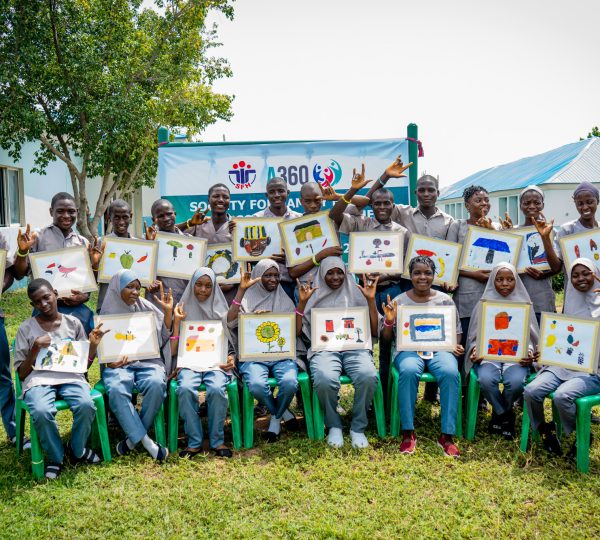
The First Lady, represented by the wife of the Secretary to the State Government (SSG), Barr. Nimata Umar Akhilor reaffirmed that menstrual health is a matter of public health, human rights, and gender equality. In Taraba State, the SFH Individual Giving Initiative, with support from UNESCO and other well-meaning individuals, marked the day in collaboration with the Taraba State Ministry of Education. Female students at the Government School for Arabic and Higher Islamic Studies, Jalingo, and the Special School for the Deaf, Mutum Biyu, benefited from this outreach. A total of 891 sanitary pads were distributed in Jalingo and 121 in Mutum Biyu, along with psychosocial support and menstrual hygiene education. The intervention specifically targeted vulnerable girls, including those with disabilities, to ensure inclusive support and participation in menstrual health discussions. The A360 MAYE initiative also held menstrual health interventions across Jigawa, Nasarawa, and Kano States.
In Jigawa, 50 young mentors were trained in menstrual health and the production of reusable sanitary pads. Collaborating with the Ministry of Women Affairs, Ministry of Health, and SPHCDA, this effort provided girls with sustainable, income-generating skills to manage their menstrual health. In Nasarawa State, sensitisation sessions in Nasarawa Eggon, Lafia, and Doma LGAs reached 150 out-of-school adolescent girls, focusing on menstrual hygiene, physiology, and safe product disposal. In Kano State, a multi-sectoral outreach held at GGASS Gwammaja, Dala LGA engaged over 500 girls through menstrual hygiene talks, SRH education, HPV vaccinations, and the distribution of dignity kits. The event demonstrated a united approach to advancing gender equity and challenging harmful norms. In Gombe State, the SFH IPAYP Team conducted sensitisation sessions across Akko, Gombe, Bajoga, and Funakaye LGAs. The sessions targeted secondary school students with key messages on menstrual hygiene, health, and the HIV Minimum Prevention Package (MPP). Through interactive discussions, practical demonstrations, and free sanitary pad distribution, the initiative sought to reduce stigma, improve school attendance, and build confidence, empowering girls with critical knowledge and support. Across all locations, school principals and community stakeholders expressed heartfelt appreciation for SFH thoughtful efforts. These activities not only met the immediate needs of adolescent girls but also supported long-term goals of reducing school absenteeism and promoting inclusive education. We remain committed to ensuring that no girl is left behind by equipping them with the knowledge, tools, and dignity they need to manage their periods safely, confidently, and with pride.
From Alignment to Acceleration: Repositioning DISC-A360 for Scaled and Sustained Impact
Within the past week, the DISC-A360 executed a catalytic session to better position the team for the technical role in supporting Self-Care programming and, in particular, DMPA.SC Self-Injection in Kaduna and Jigawa states. The alignment meeting marked a bold pivot toward accelerated execution and systems integration. The call to action was equally bold, synergistic and disruptively constructive, aimed at breaking boundaries to achieve near-term impact. Cross-functional teams spanning service delivery, demand generation, supply chain, and MERL co-created tailored roadmaps for each state. These plans are rooted in local realities and government systems no longer pilot blueprints, but actionable strategies for sustained scale. A highlight of the meeting was the rollout of the Big Sista strategy, a community-rooted approach aimed at increasing SI uptake among women of reproductive age.
By empowering young women who are advocates as champions and counsellors within their communities, Big Sista is more than a program, it’s a movement for self-care, autonomy, and lasting reproductive health impact. Risk management also took the spotlight not as a back-end process, but as a proactive, embedded function which anchors accountability and ensures qualitative program delivery. The momentum continued with state-led strategies to include SI in budgets, integrate it into supervision, and ensure sustainable commodity flows. The alignment session was not just a meeting; it was a turning point for DISC-A360’s intentional approach to support States’ SI scale-up and system change for sustainability.
Malaria IMPACT Project 1B Trains 388 CPs and PPMVs to Support Malaria Pre-Elimination and Digitalisation in Lagos State.
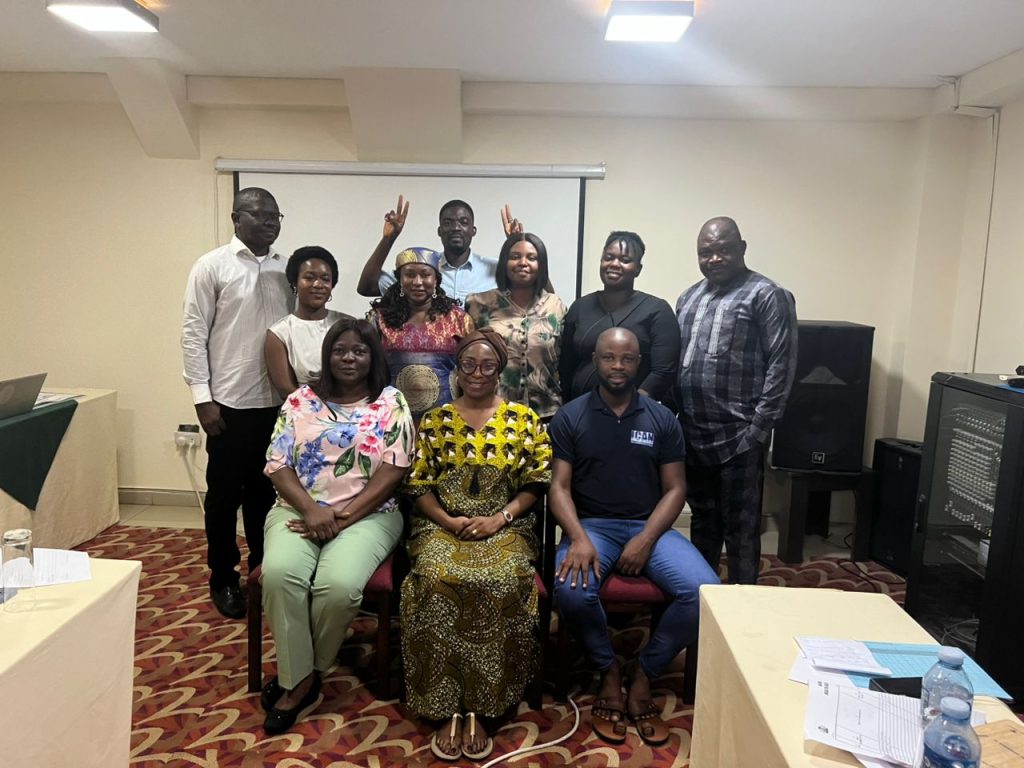
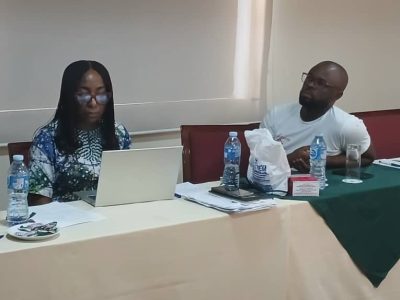
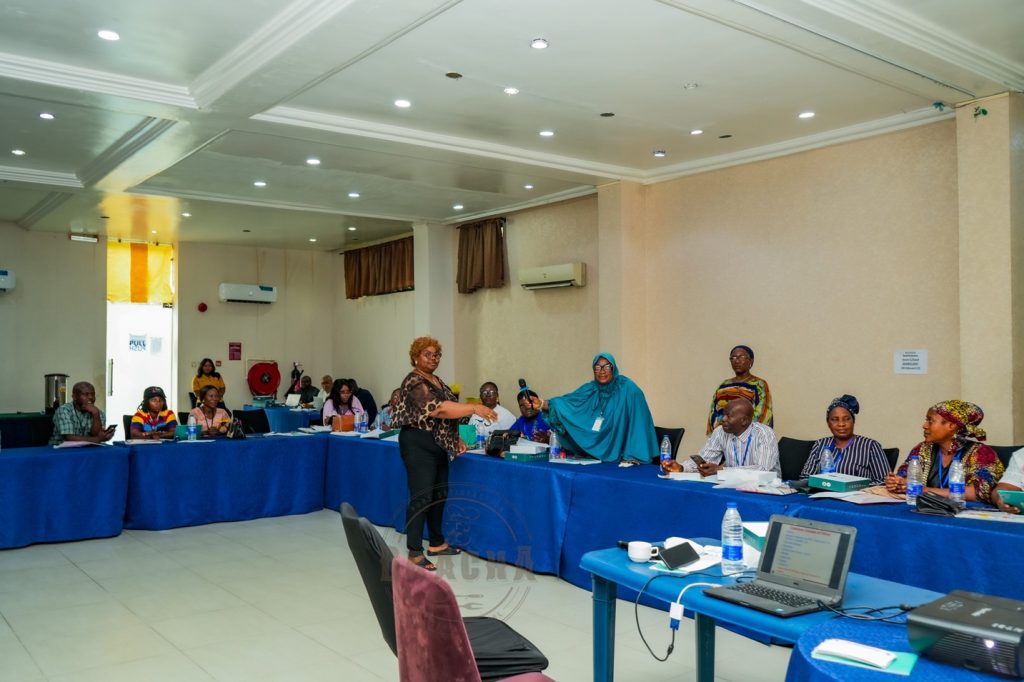
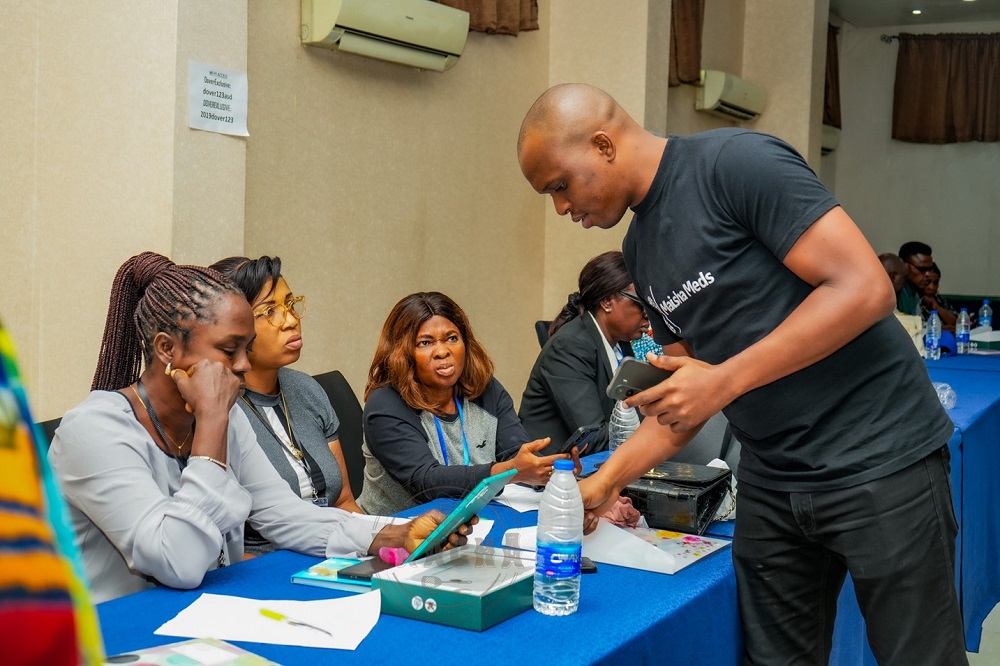
The Malaria IMPACT Project Component 1B in Lagos State, funded by Lagos State Government through the World Bank credit, has recorded a major milestone in its drive towards malaria pre-elimination and digitalisation. With technical support from the Society for Family Health (SFH) and other key stakeholders, a total of 388 Community Pharmacists (CPs) and Patent and Proprietary Medicine Vendors (PPMVs) have been trained under the initiative, Pathway to Malaria Pre-Elimination and Digitalisation in Lagos. This project is a collaborative effort involving the Lagos State Ministry of Health (LSMOH), World Health Organization (WHO), National Malaria Elimination Programme (NMEP), ANDI Centre of Excellence, Lagos State Health Management Agency (LASHMA), Pharmacy Council of Nigeria (PCN), SFH, and Maisha-Meds. It targets the training of private health providers across the state’s 20 LGAs to improve malaria diagnosis, treatment, prevention, and reporting. The training, held between 28 April and 30 May 2025, across 15 cohorts in clusters located in Ikeja, Festac, Ikorodu, and Lekki. The training sessions were facilitated by experienced master trainers, led by Mrs Mopelola Raji, Senior Programme and Strategy Consultant, and supported by Mr Arowoduye Babajide, Project Advisor. The sessions also featured facilitators from NMEP, PCN, LSMOH and Maisha-Meds.
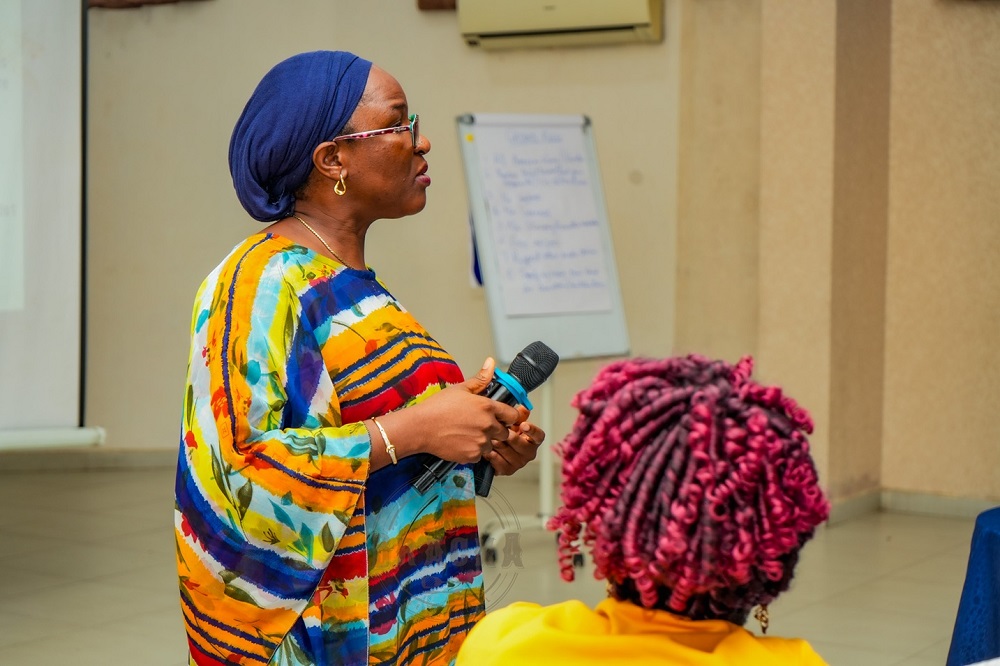
Participants received hands-on training on malaria case management, including the use of Rapid Diagnostic Tests (RDTs), and prevention strategies, delivered by SFH. PCN facilitated modules on proper medicines handling and antibiotic stewardship, while Maisha-Meds conducted digital training on data reporting systems designed to enhance accuracy and timeliness of malaria case data. With 388 providers now trained, the project is firmly on track to meet its goal. These efforts are equipping frontline private healthcare providers with the capacity and tools needed to strengthen case management, digitise service delivery, and improve public-private sector collaboration. Next steps are underway to onboard the newly trained providers into the project platform, supervise service delivery, and integrate their data into the Health Information System. These actions will further ensure sustainability, accountability, and measurable progress in the fight against malaria in Lagos State.
SFH Holds Defensive Behavioural Training for Motor Vehicle Operators (MVOs) in Katsina State
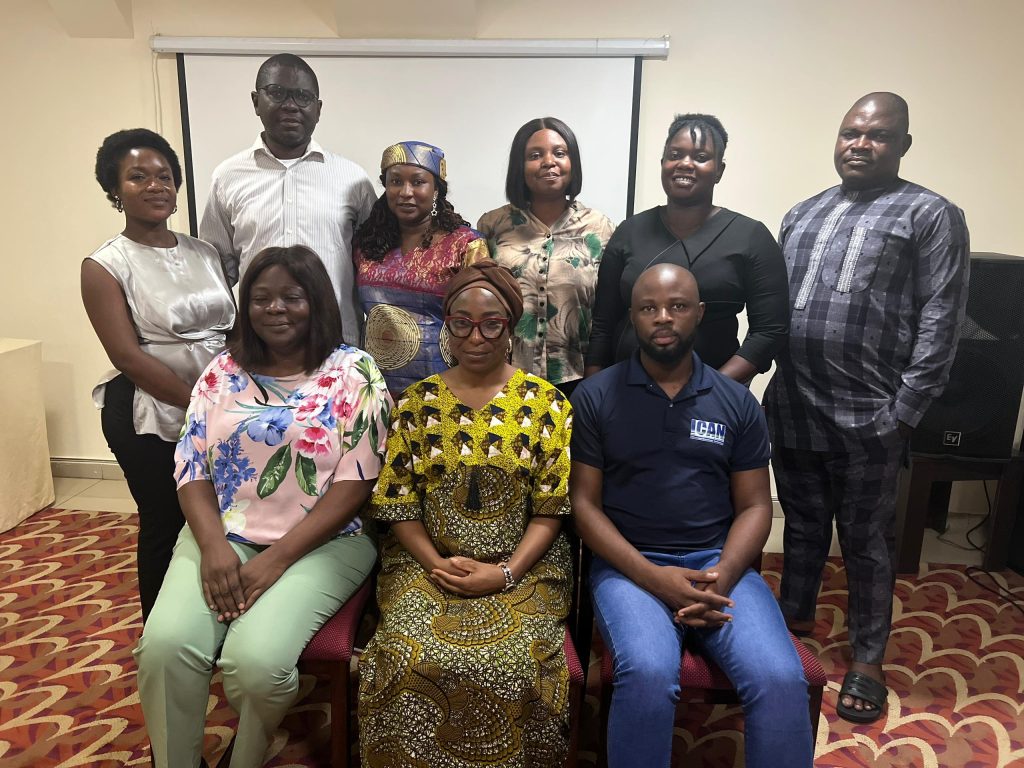
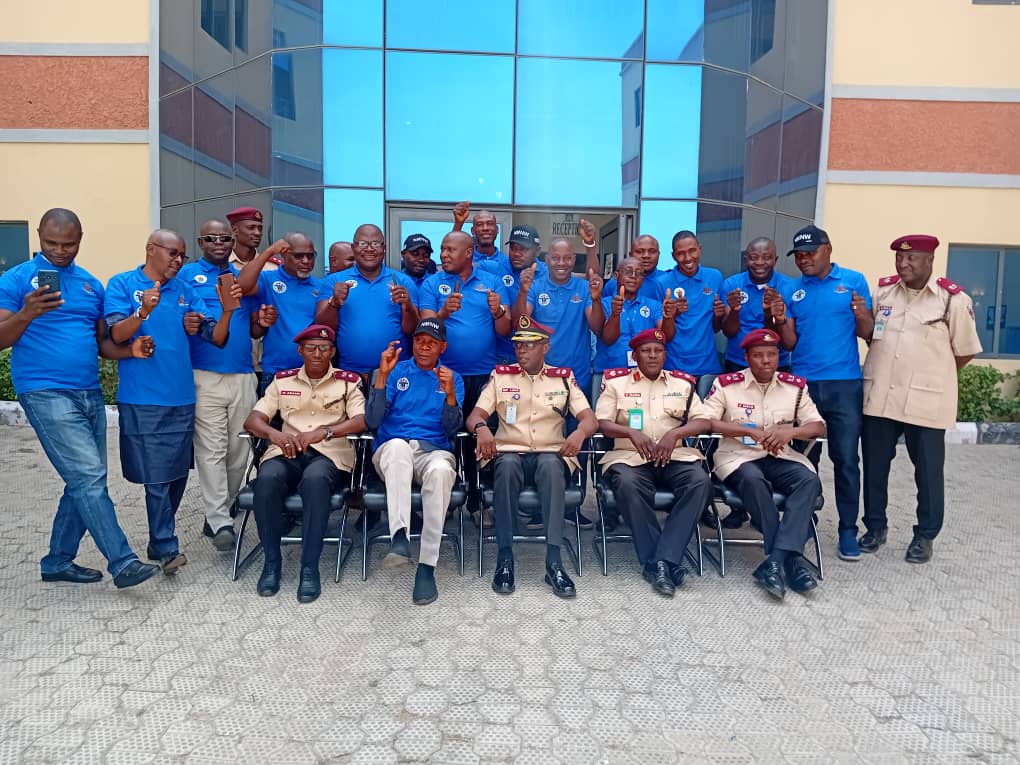
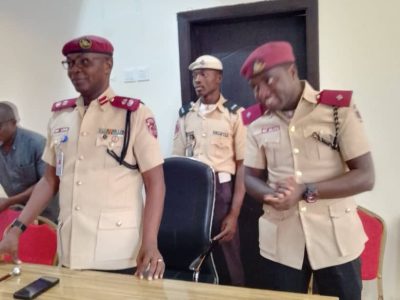
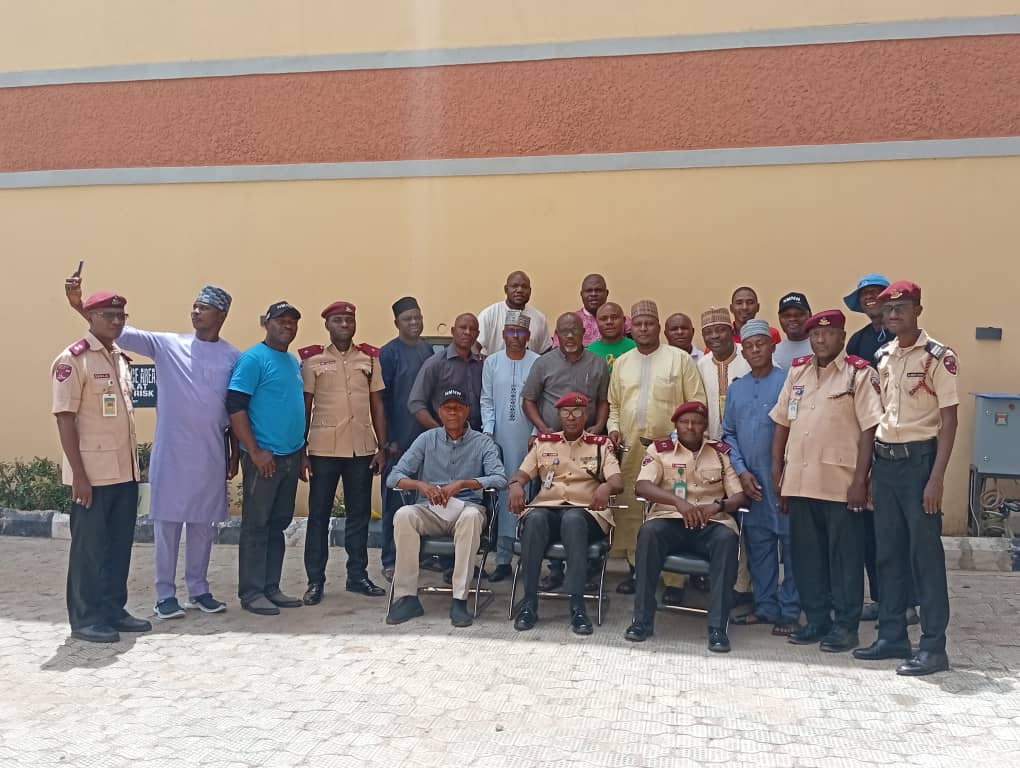
The Defensive Behavioural Training for Motor Vehicle Operators (MVOs) in the Northwest region took place from 29th to 30th May 2025 at Murjani Suites, Katsina State. The two-day training brought together 17 participants, 16 MVOs from the Northwest and one from the Northcentral region, with the aim of promoting a culture of safety, responsibility, and professionalism among drivers. Facilitated by personnel from the Federal Road Safety Corps (FRSC), the training covered a wide range of topics, including defensive driving techniques, understanding the Nigerian Highway Code, managing driver health and condition, executive protection driving techniques, basic vehicle maintenance, fire extinguisher use, and tire safety.
The sessions were designed to enhance road safety awareness, instil positive driving behaviours, and encourage respect for traffic laws and other road users. The Katsina Sector Commander, Mr. Maxwell K. Lede, delivered both the welcome address and the closing remarks, urging participants to apply the knowledge gained to their daily duties. A group photograph was taken with the sector commander and facilitators to mark the end of the training. The SFH Security Adviser, Mr Abiodun Olugbenro, gave the vote of thanks, appreciating the FRSC facilitators and all attendees for their active participation and commitment to safer roads.
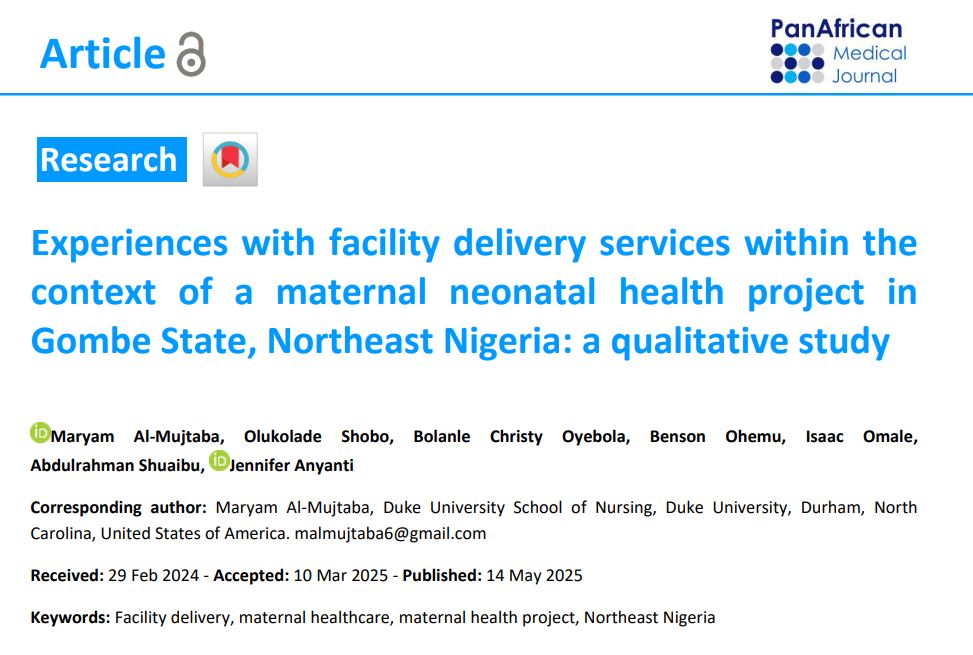
Experiences with facility delivery services within the context of a maternal neonatal health project in Gombe State, Northeast Nigeria: a qualitative study
A maternal neonatal health (MNH) project implemented in Gombe State improved uptake of facility delivery services from 27% to 65%. The project supplied health commodities to health facilities, provided women with cost-free transportation, and implemented the Village Health Worker program. Village health workers are lay indigenous women trained to provide community-based maternal and newborn care and to facilitate linkage to health facilities. We explored women’s experiences with facility delivery services within the context of the MNH project. Methods: qualitative data were obtained through focus group discussions with women who delivered within the last 12 months. Participants were asked questions related to their experiences with the access and use of facility delivery services.
Click here to download.
Weekly Quotes/Nuggets
Love to read previous News Reports?
- Hey, amazing content for you to engage with on all our social media platforms. We would love to see your comments, likes and reactions.😍
Feel free to also share our posts.