Blog

Improving Access to Care for All: Building for the Future (Learnings from the PACS Intervention)

By Isibhakhomen Y. Ikhimiukor, Sebastine Ikejide, Judith Dogo, Hussaini Shafiu, David Ayinde

Reports indicate that inefficiencies in the drug distribution system, including fragmentation and the presence of multiple intermediaries, contribute to higher markups and higher retail prices, making it more difficult for Nigerians to access affordable medication, particularly those living in poverty. Individuals are forced to spend more of their income on healthcare. In the face of this challenge, Society for Family Health (SFH) provides a solution through the Promoting Accreditation for Community Health Services project.

In many underserved and hard-to-reach communities across Nigeria, Community Pharmacists (CPs) and Patent and Proprietary Medicine Vendors (PPMVs) are not just medicine retailers, they always serve as the first point of contact for healthcare. Nigeria’s Task Shifting and Task Sharing Policy has enabled these frontline providers to be trained, accredited, and licensed to deliver essential health services. With support from the IntegratE Project, the Pharmacy Council of Nigeria (PCN) established a robust three-tier accreditation system, significantly enhancing the quality of care delivered. 

Building on this foundation, the Promoting Accreditation for Community Health Services (PACS) project implemented by Society for Family Health (SFH) and Solina Center for International Development and Research (SCIDaR) with funding from MSD for Mothers, is rolling out innovative incentives to accelerate accreditation and strengthen service delivery in the private sector in Kaduna and Lagos state. The roll out involves linkage of providers to financial partners and verified suppliers to increase access to quality health commodities and microcredit solutions, and enable them to serve their communities better, with consistency, quality, and reliability. As an implementation research project, PACS continues to champion the critical role of the private health sector in expanding access to essential health services. The project leverages digital innovation, data-driven insights, and stakeholder engagement to inform strategies that enhance the availability of family planning and primary healthcare commodities, reaching those who need them the most. A closer look at the project’s achievements highlights how Society for Family Health, through this intervention, is increasing access to quality health services in underserved communities.

Digital Innovation

The intervention has adopted several models, which have helped to bridge the gaps in the health system. One of the implementation strategies includes identifying verified and accredited suppliers with supply chain transparency responsible for delivering quality, affordable health commodities to providers. In the strive to ensure access to quality health commodities, the PACS project is collaborating with SFH Access, Shelf Life, Remedial Health, Drugstoc, and Oga Pharmacy. By eliminating the burden of physical market visits and ensuring drug authenticity, the suppliers help to standardise procurement practices and bridge the supply chain gap. They also present an innovative digital platform/Inventory management solution application where providers can browse, order and track deliveries from the comfort of their facilities. This platform has served as an intelligence tool for the providers while also building their digital skills, empowering them to deliver increased quantity and quality of services to community members and making them stand out among their peers as most preferred. The digital tool enables providers to monitor stock levels, track sales, identify near-expiry products, manage expenses, and receive alerts for restocking.

To enable optimal use of these tools, the project conducted hands-on training to educate providers on the use of the digital platform. A business fair was conducted to connect providers with preferred suppliers. During the fair, suppliers were given the opportunity to promote their line of health commodities and services, with the CPs and PPMVs making voluntary choices. In addition to this, the project has adopted the following methods to help the beneficiary effectively use the digital platforms and sustain knowledge of the training:

Inventory management champions: Champions have been selected and trained, consisting of CPs and PPMVs in the implementing states. They comprise an exemplary PACS provider with a proven track record of utilising digital tools.

Peer Mentoring programme: Peer mentors have been selected and trained across the implementing states. They are responsible for supporting digital tool use, strengthening inventory management, and mentoring/encouraging other users of the platforms to effectively utilise the digital tool.

Supportive Supervisory Visits (SSVs): This is done on a routine basis and facilitated by the State Coordinator. The SSVs’ activities have significantly supported the PPMVs in improving their digital skills while also validating data and gathering feedback on implementation.

Webinar: Webinars organised by the suppliers have proved to be informative, keeping CPs and PPMVs abreast of updates on changes, discounts, and other relevant information.

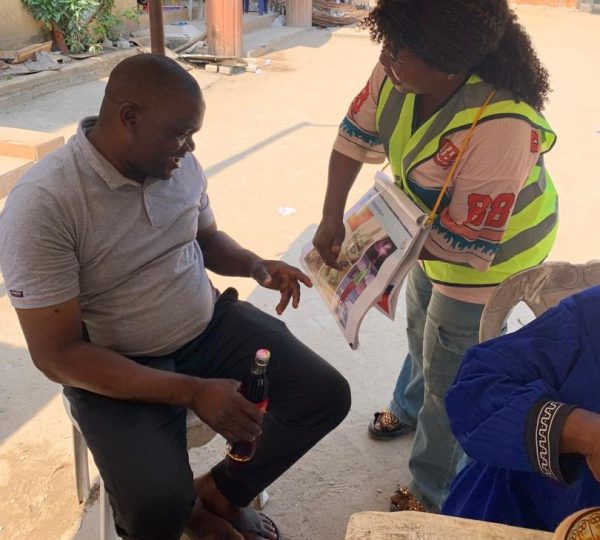
PACS Team during a Pretest Assessment

Data-Driven Insights

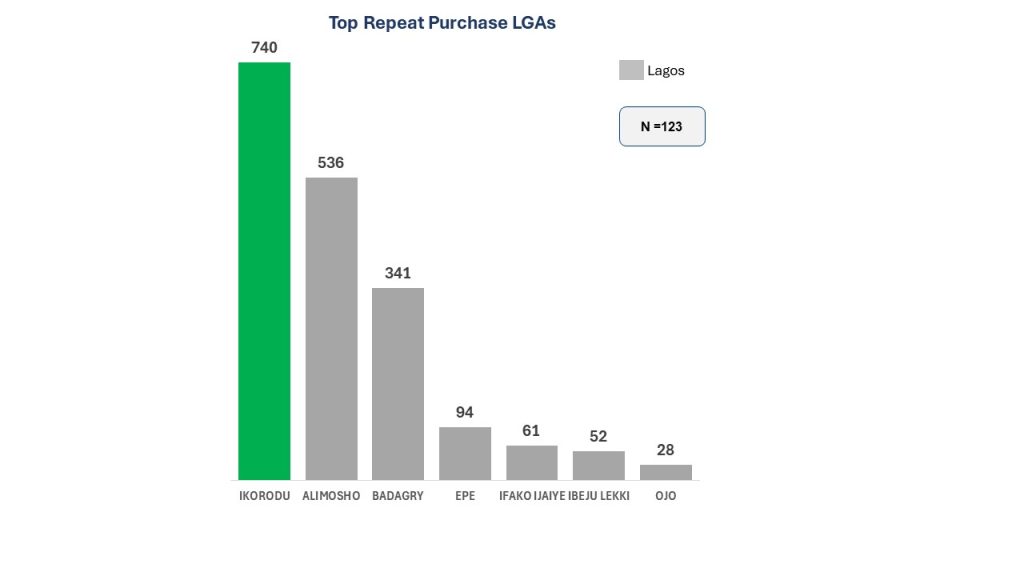
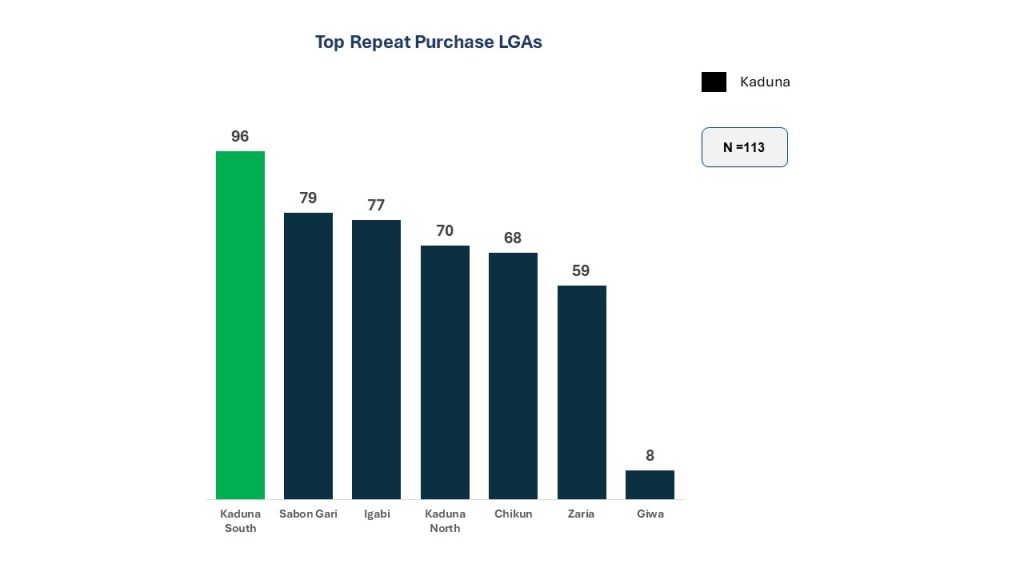
Data-driven insight from the project has also ensured the supply of real-time community health needs using performance-based data tracking across Local Government Areas (LGAs). In Kaduna State, data collected from 237 patent medicine shops (PMS) and 14 community pharmacies (CPs) reflect purchasing patterns across various suppliers, highlighting the most and least accessed health commodities. This has not only helped to tailor supply to demand but also ensured that providers stock commodities that directly meet community health needs. Repeat purchases from more than 100 vendors indicate the degree of satisfaction with services from accredited suppliers. It is a reflection on how well providers are utilising digital solutions as a productivity tool. These insights enable the project and suppliers to make informed decisions around inventory planning, distribution cycles, and targeted capacity-building efforts aimed at improving the efficiency and responsiveness of the health supply chain. In Lagos State, last-mile sales data from 155 PMS and 5 CPs provided similar insights. 12 providers made an average of 92 repeat purchases each from accredited suppliers. The high rate of repeats in a 10-month period of transactions demonstrates that providers are satisfied with the services of preferred suppliers. 8 providers, who are not among the PACS project pool of providers, have been linked to suppliers through referral activity.

Diagram Showing Lagos Repeats
Diagram Showing Kaduna Repeats

Stakeholder Engagement

Stakeholder involvement is pivotal to the sustainability of interventions at SFH. Working with the government and partners has been vital to the progress of the PACS intervention. PACS supports PCN’s accreditation of PPMVs in compliance with licensure obligations and the mandatory entry point training programme. Drug vendors are grouped in tiers in line with qualification and approved scope of services. Partnership with professional groups and associations (Association of Community Pharmacists and National Association of Patent & Proprietary Medicine Vendors) enabled active cooperation and participation of members selected for project implementation. State leadership of the groups are key to successful mobilisation efforts. They also facilitate compliance with PCN’s regulatory requirements. Working with community leaders enhances adequate visibility for the community providers and creates an enabling environment for increased service utilisation. They also serve as a channel of dissemination of health campaigns and feedback to the project team. 

PACS Team with a District Head in Kaduna State
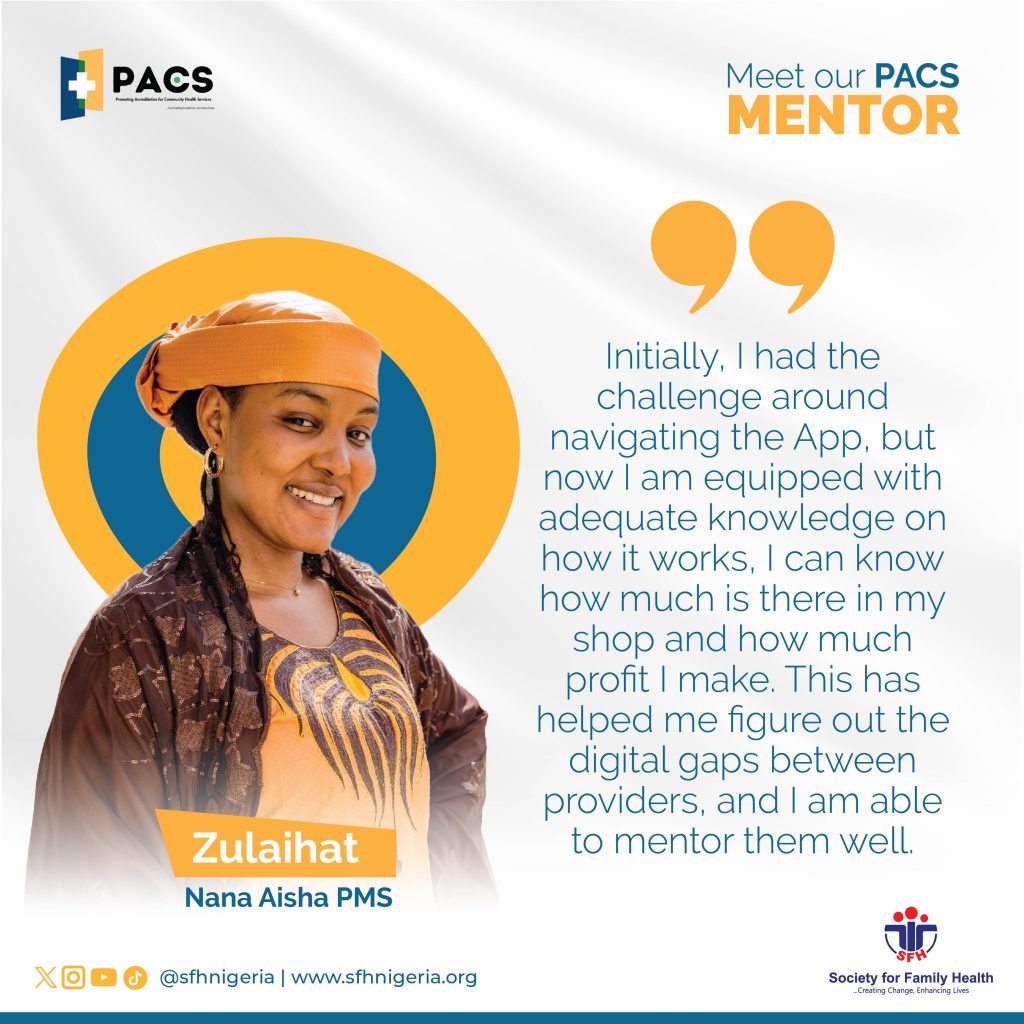
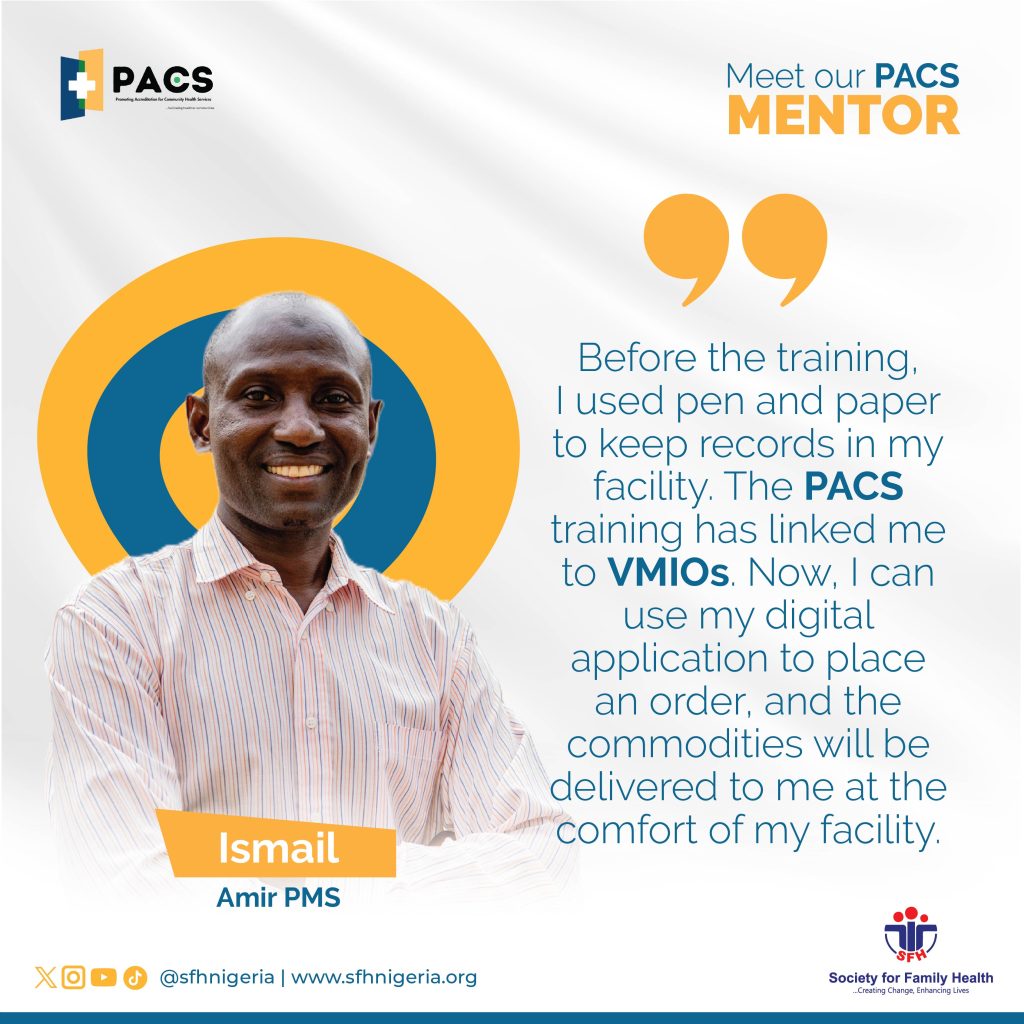
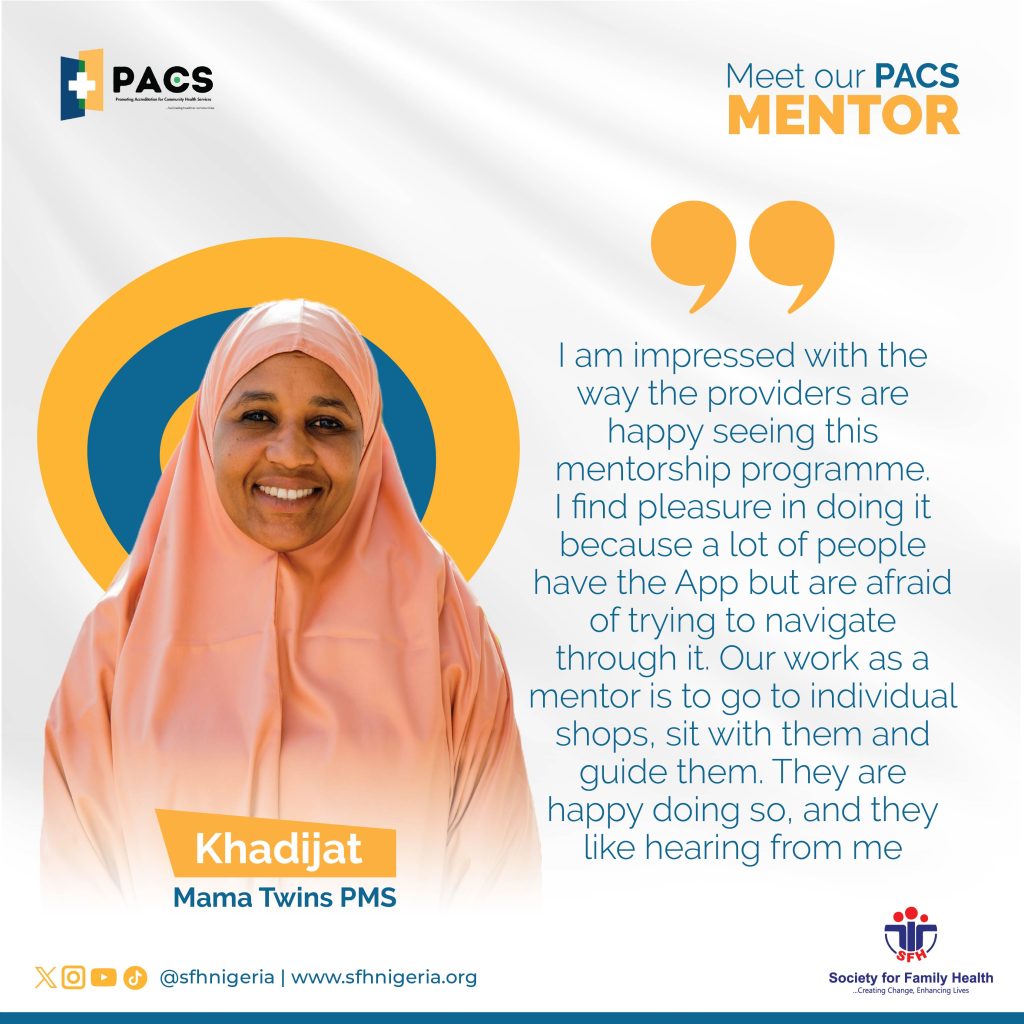
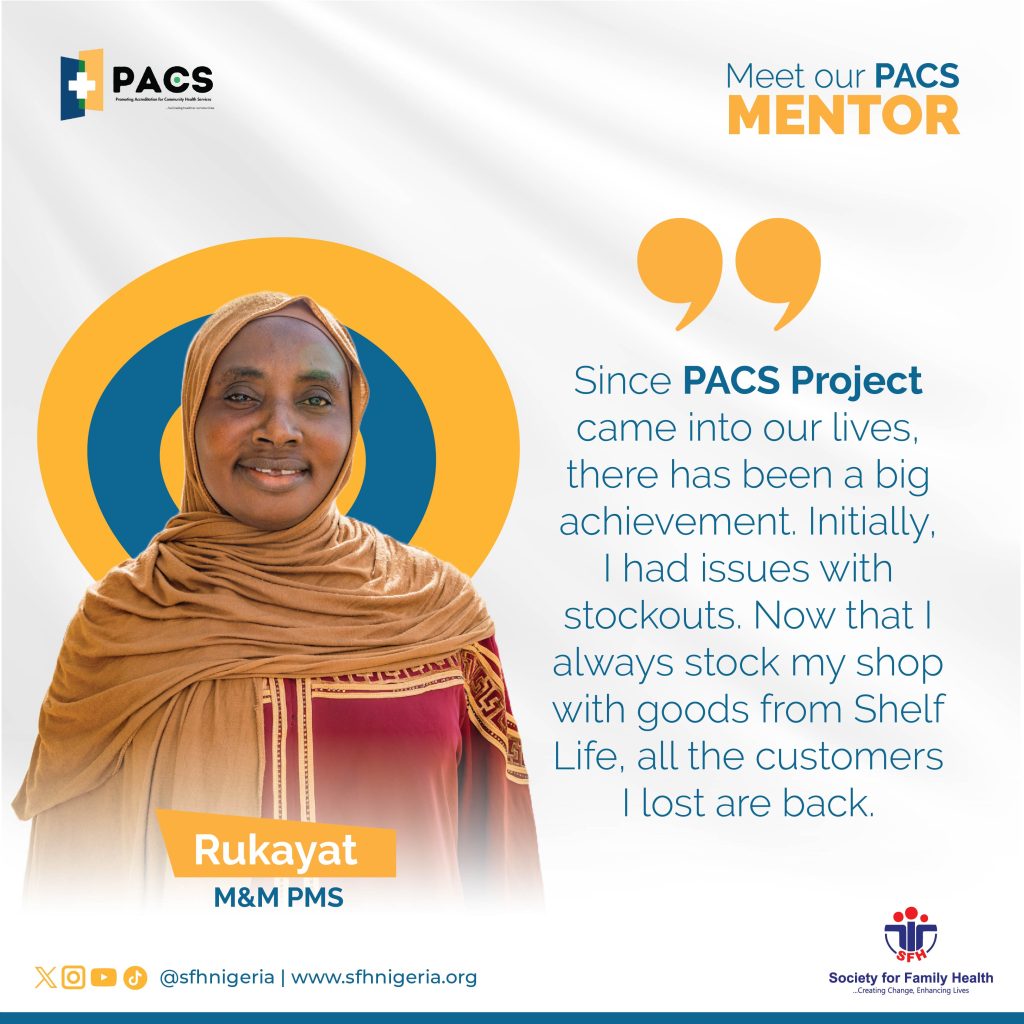
Meet some PACS Mentors who are working to ensure that their communities have access to quality health services. In an interview, they shared their experience with the PACS intervention in Kaduna State.

The PACS intervention has enabled Society for Family Health to demonstrate a strong commitment to advancing sustainable primary healthcare in underserved communities by strengthening the capacity of community-based health providers to save lives, address the health needs of communities and integrate digital innovation into the private health sector. This approach has led to improvement in the quality of healthcare services delivered by CPs and PPMVs, thereby contributing to better health outcomes and improved quality of life for the communities we serve. Central to the success of PACS is the emphasis on quality of service, ownership, accountability, and strong local partnerships. Working closely with state actors, community leaders, regulatory bodies, and implementing partners, SFH has built a foundation of trust and alignment that ensures the intervention is both community-led and policy-aligned. This not only supports the current gains but also lays the groundwork for long-term sustainability and a healthy nation. The impact of the intervention provides a strong case for replication and scale-up, especially in other states facing similar challenges to access quality care. As a model, PACS shows how a people-centred, digitally enabled, and partnership-driven approach can redefine the role of the private health sector in achieving universal health coverage. Providers are better trained, digital tools are streamlining inventory and procurement processes, clients are receiving improved services closer to home, and we are building for the future. 

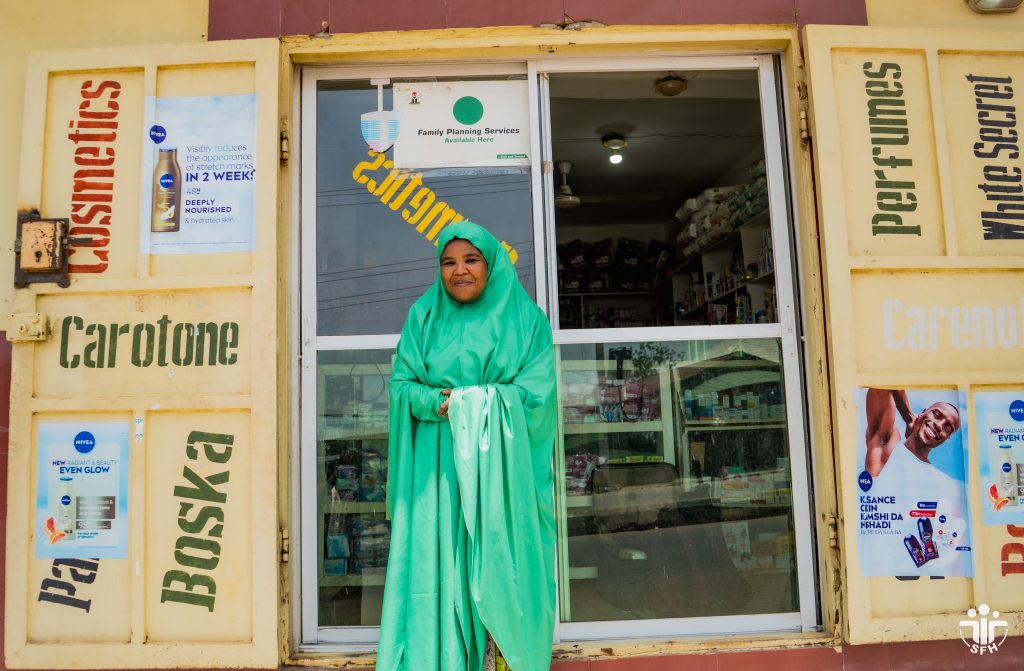
PACS Tier 2 Provider
PACS Tier 1 Provider