 SFH Nigeria Website

Awareness to Contraceptive Access: Leveraging Digital Health platforms for Advancements in Family Planning Uptake
-
by

By Abdulrazaq Abilagbo, Dr Uchenna Okafor, Babatunde Oyelana, Chinedu Okoye
Introduction
Under SDG 3, Nigeria’s family planning goals are to increase modern contraceptive prevalence rates mCPR to 27% by 2030. According to the National Institutes of Health, socio-cultural influences are a major threat to this goal as the leading factor behind ignorance of family planning. Generational notions about contraceptives have had a deep-rooted stronghold on perceptions of Nigerians. This has made this an off-limits topic within many communities, discouraging open conversation about benefits and potential associated risks. This secrecy has provided the optimum environment for myths, misinformation, and half-truths to thrive. However, advancements in technology are democratising access to previously exclusive Information. This widespread information dissemination is a key driver for correcting previously long held beliefs that have empirical backing.
The Gap Between Awareness and Access
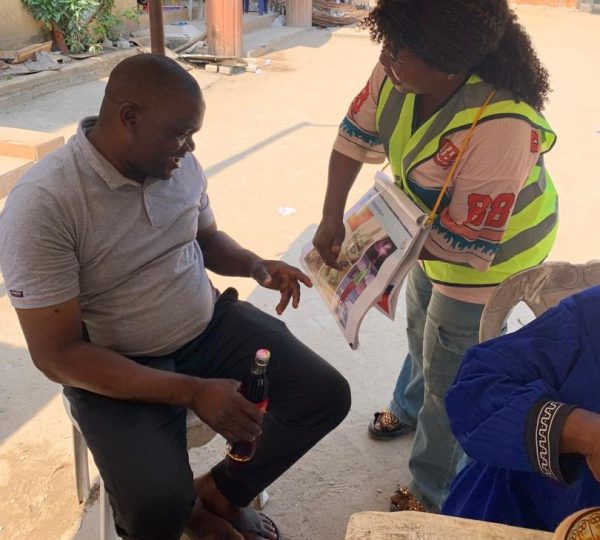
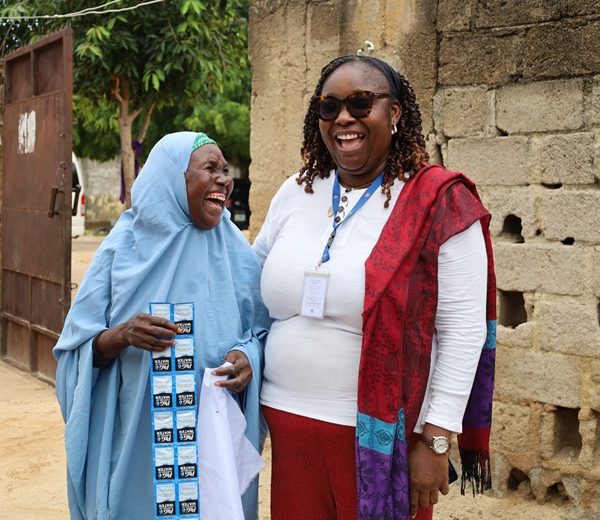
Lagos is a fast-growing, population-dense metropolitan city, home to over 20 million people majority of them young, serving as Nigeria’s commercial and economic hub. Its rapid urbanisation brings both opportunities and challenges, especially in ensuring equitable access to healthcare and family planning services for its diverse and expanding population. In Lagos, a significant number of women are aware of contraceptive methods through campaigns and community sensitisation efforts. Yet, many still struggle to access them due to barriers like stigma, limited availability in nearby facilities, and judgmental provider attitudes. These challenges highlight the persistent gap between knowledge and actual uptake of family planning services in the city. This gap between awareness and access underscores the urgent need for innovative approaches, such as digital health platforms, to bridge the divide.
Addressing Barriers Through Innovation
Digital platforms are helping to overcome long-standing barriers to family planning access in Lagos by providing private, convenient, and efficient service delivery. Through features like discreet online consultations, remote ordering, and quick service delivery, women can access contraceptives without fear of stigma or unnecessary delays. These innovations are particularly powerful in a city where distance and overcrowding often make physical visits to clinics or pharmacies difficult. At the same time, digital solutions are expanding inclusivity by reaching young people, women in underserved neighborhoods, and marginalised groups who are often left behind in traditional service delivery models. By combining privacy, convenience, and broader reach, digital platforms are creating more equitable pathways to contraceptive access for all women.
Digital Health Platforms as a Game-Changer
Digital health platforms are transforming the landscape of family planning by bridging the gap between awareness, access and finally use. The ePharma4FP Project implemented in Lagos by a consortium of partners led by the Society for Family Health offers a compelling example of how innovation is shifting narratives surrounding access and uptake of family planning. The ePharma4FP Project leverages on this hybrid model to better serve patients by providing more convenient access to FP commodities than traditional brick and mortar pharmacies. As a result, we are better able to marry the best aspects of online service provision such as privacy, cost savings, quick delivery, product variety and counselling without any of the draw backs faced by traditional pharmacies. With over three years of implementation, the project has demonstrated its ability to support Lagos State’s Digital Drive agenda aimed at proffering accessibility alternatives to uptake FP. This case underscores how digital platforms can accelerate family planning advancements when designed to be user-centric, accessible, and embedded within trusted community structures.
Policy and Stakeholder Role
As a digital project implementing a first of its kind intervention in an emerging market, strong policy frameworks and active stakeholder engagement were essential to its success. Policymakers and partners all played complementary roles creating a regulatory environment that could sustain innovation while adhering to legal guidelines and providing technical expertise where necessary. Our project illustrates how multi-stakeholder collaboration can open new pathways for advancing family planning policy formation. This ensured that we not only provided a comprehensive policy framework review but also fine-tuned policy requirements to meet the needs of the project.
A Future with Contraceptive Access for All
Our journey from contraceptive awareness to access remains a pressing challenge in advancing family planning uptake in Nigeria and across sub-Saharan Africa. although campaigns and community outreaches have improved knowledge and acceptance levels, barriers such as stigma, privacy concerns, and limited-service points persist, often preventing women, particularly youths from converting that awareness into action. Digital health platforms present a comprehensive set of features designed to bridge this gap. The ePharma4FP Project has shown that a hybrid model combining digital platforms, physical pharmacies, and interpersonal communication agents can expand access to family planning in innovative and user-friendly ways. By offering discreet counselling, simplifying product access through online ordering, and linking directly to brick-and-mortar pharmacies, the platform has proven that contraceptive choices are not only visible but also attainable.
As the project concludes its four-year journey, it leaves behind a tested model that demonstrates how digital platforms can turn awareness into measurable uptake. The lessons learned point to a future where family planning services are more accessible, rooted in evidence and powered by technology. Moving forward, governments, donors, and private sector partners must build on this momentum to scale such solutions nationally and regionally, ensuring that no woman is left behind in making informed reproductive health choices.
Ultimately, digital health is more than a tool it is a catalyst for empowerment, transforming how communities’ can access and exercise their reproductive rights.